Seminar Highlights Need for Healthy Entertainment for Youth Development
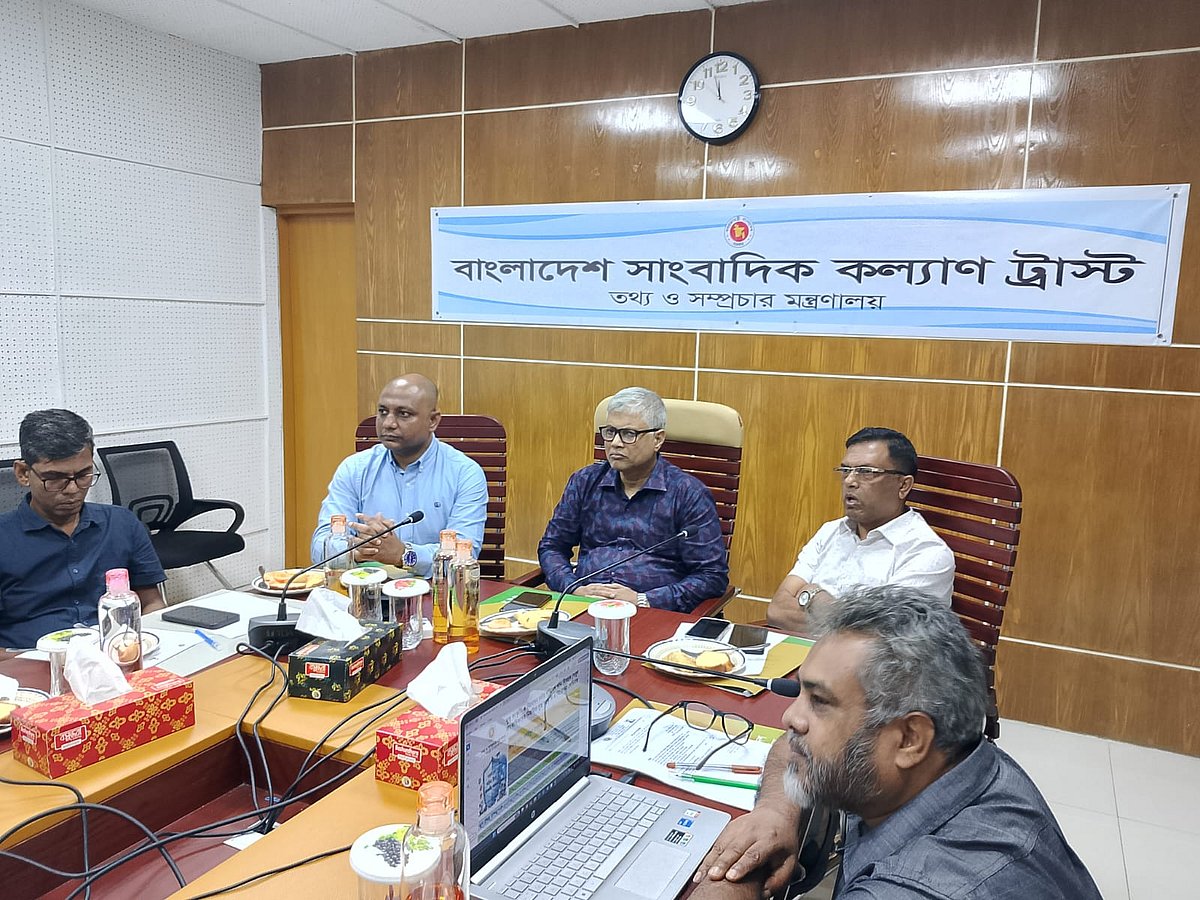
Speakers at a seminar emphasized the crucial role of healthy culture and entertainment in the physical and mental development of young people and children. They stated that in the digital age, responsible journalism, fact-checking, and the promotion of local culture are essential to combat fake news, negative cultural influences, and technology-driven chaos. The event, titled 'Creating an Environment for Regular Healthy Culture and Entertainment Practice for Young Journalists,' was held on Sunday at the Bangladesh Journalist Welfare Trust office in Kakrail, Dhaka.
Key recommendations from the seminar included strengthening fact-checking, preserving national heritage, and focusing on positive and humanistic journalism. Prime Minister's Deputy Press Secretary Zahidul Islam noted that the disruption of cultural activities nationwide has hindered the normal development of children and adolescents, stressing that healthy entertainment is indispensable. He urged young journalists to act as 'brand ambassadors' for preserving local folk traditions like palanquins and bioscopes, and to highlight the struggles and sacrifices of the 1974 uprising through various cultural mediums.
Abul Kalam Azad, General Secretary of the Bogura Press Club, spoke as a distinguished discussant, asserting that a nation's identity, history, and values are reflected in its culture. The seminar also featured a keynote presentation by Mohammad Abdul Basir, Managing Director of the Bangladesh Journalist Welfare Trust. Eight policy recommendations for young journalists were proposed, including verifying information from multiple sources, avoiding clickbait headlines, respecting copyright, prioritizing national arts and heritage in reporting, and refraining from intrusive celebrity reporting. The recommendations also called for regular fact-checking against misinformation, encouraging positive content, and providing training on digital ethics and cyber laws.
This seminar addresses the critical intersection of media, culture, and youth development in the digital age. The emphasis on fact-checking and responsible journalism highlights systemic challenges posed by misinformation, which can impact societal cohesion and individual well-being. By advocating for the preservation of local culture and traditions, the initiative seeks to provide a counterbalance to globalized digital content, potentially fostering stronger national identity and a more grounded sense of community among younger generations. The recommendations point towards a need for enhanced media literacy and ethical training for journalists, recognizing their significant influence in shaping public discourse and cultural norms. Future efforts could explore how digital platforms can be leveraged to promote, rather than undermine, healthy cultural engagement and robust journalistic practices.
AI-generated to prompt reflection — not editorial opinion, not advice, not a statement of fact. How this works.