Senac Launches Free Online Platform 'Orango' for Youth Skills Development
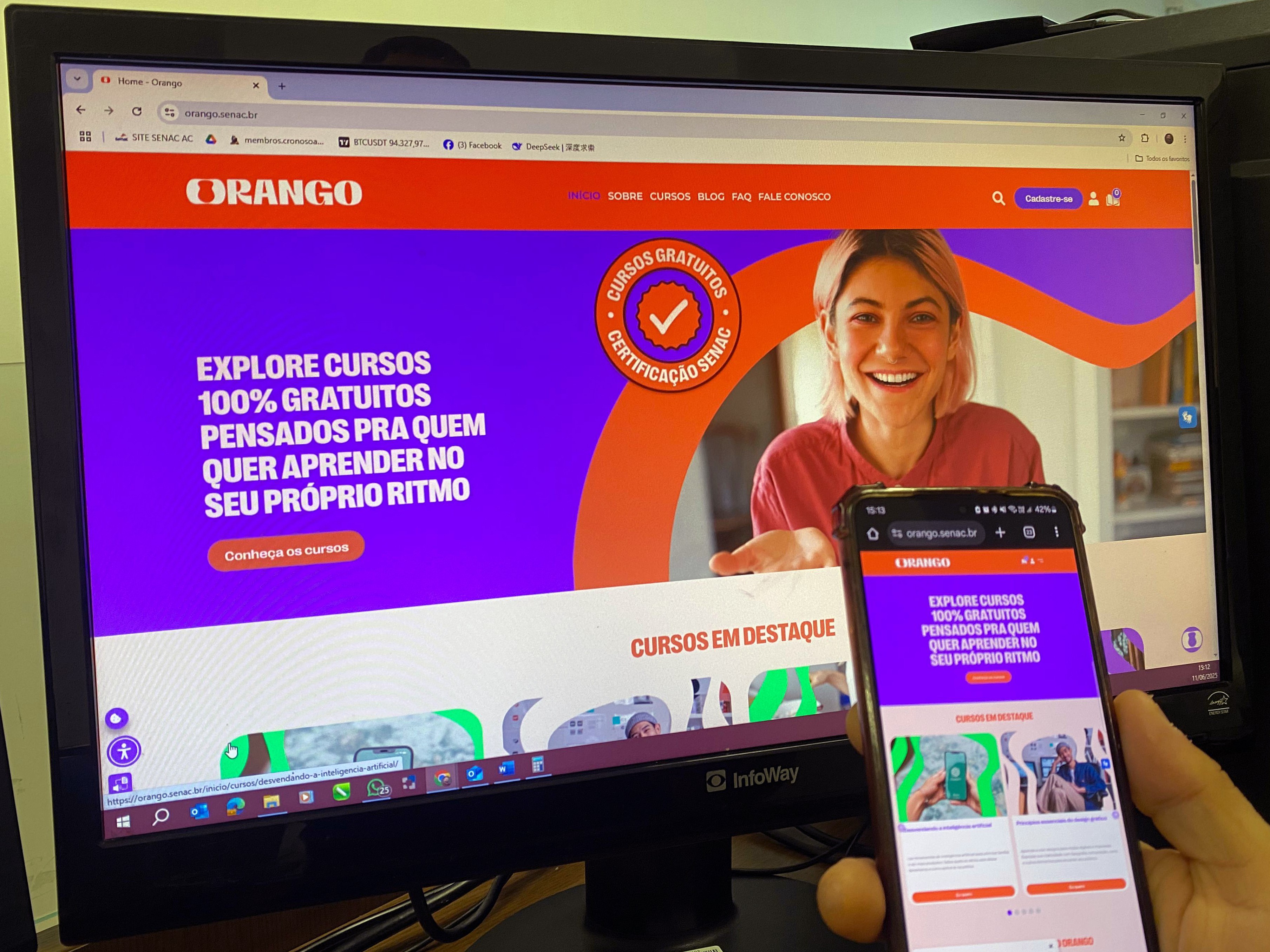
The Senac institution has launched Orango, a free digital learning platform designed to equip young people aged 16 to 24 with skills for the job market. This initiative aims to address the growing demand among youth for accessible, rapid, and market-relevant professional qualifications. The platform offers a variety of free online courses with certificates in high-demand fields such as Marketing, Games, Creativity, Audiovisual, Artificial Intelligence, Business, Entrepreneurship, and Behavior. These courses are structured to be flexible, allowing students to learn at their own pace and schedule.
Orango distinguishes itself through a learning approach tailored to Generation Z, employing dynamic content formats including videos, podcasts, presentations, supplementary materials, and gamification elements to enhance engagement. This methodology is informed by a national survey of over a thousand young individuals who expressed a preference for objective courses, real-world market relevance, and recognized certifications. Each course typically requires around ten hours of study and is self-directed, facilitating integration with daily activities. The platform's modern visual design and intuitive interface are intended to align with the digital habits of young learners, making the educational experience more appealing and interactive. Upon completion, participants receive a certificate, a valuable asset for their resumes and professional development.
The Orango platform represents a strategic response by Senac to evolving youth employment needs, leveraging digital learning to bridge skills gaps. By focusing on contemporary fields and employing a Gen Z-centric design, the initiative aims to enhance employability and potentially foster entrepreneurship. The platform's success will likely depend on its ability to continually adapt its curriculum to rapidly changing market demands and to effectively measure the long-term impact of its certifications on career progression. This approach highlights a broader trend of educational institutions adopting flexible, technology-driven models to serve diverse learner demographics in the digital age, emphasizing the critical role of accessible upskilling in navigating future economic landscapes.
AI-generated to prompt reflection — not editorial opinion, not advice, not a statement of fact. How this works.