SENAI Araripina offers 300 free spots in vocational courses
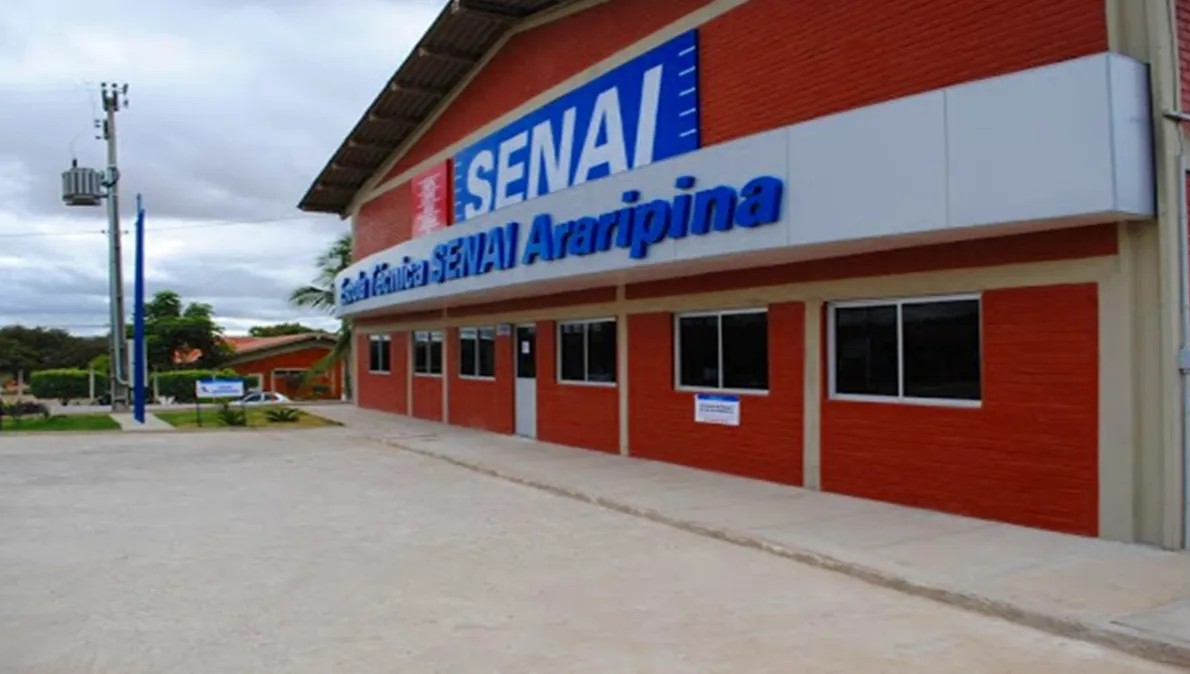
The SENAI unit in Araripina, located in the Sertão region of Pernambuco, Brazil, has opened registrations for 300 free spots across five vocational training courses. These courses aim to address the demands of the local industry and prepare individuals for sectors with a high need for skilled labor. Online registration is available until August 3rd via a provided link, requiring candidates to meet age and educational prerequisites, as well as program-specific eligibility criteria for free tuition. The offerings include Industrial Electrician (232 hours), focusing on industrial electrical systems installation and maintenance; Applied Mechanical Maintenance (196 hours), developing skills for mechanical equipment repair; and Low Voltage Building Electrician (200 hours), training professionals for electrical installations in various building types. Additionally, a course in Gypsum Laboratory Assistant and Characterization (200 hours) is designed to support the regional gypsum industry by preparing students for material testing and quality control. Finally, the Computer Operator course (160 hours) provides essential IT skills, including office applications and digital organization, increasingly valued by employers. Classes are scheduled to commence between August 3rd and August 17th at the SENAI Araripina Technical School. Further inquiries can be directed to WhatsApp at (81) 98159-8838.
This initiative by SENAI Araripina highlights a proactive approach to workforce development by aligning educational offerings with identified regional industry needs, particularly in sectors like electrical, mechanical, and gypsum processing. By providing free vocational training, the program aims to bridge the skills gap and enhance employability, potentially stimulating local economic growth. The emphasis on practical, in-demand skills suggests a strategic response to evolving labor market dynamics. Future considerations might involve tracking graduate employment rates and the long-term impact of these programs on industry productivity and innovation within the region, assessing the sustainability of such initiatives and their scalability to other areas facing similar labor market challenges.
AI-generated to prompt reflection — not editorial opinion, not advice, not a statement of fact. How this works.