SENAI-MA Offers 100 Free Professional Training Spots in Caxias
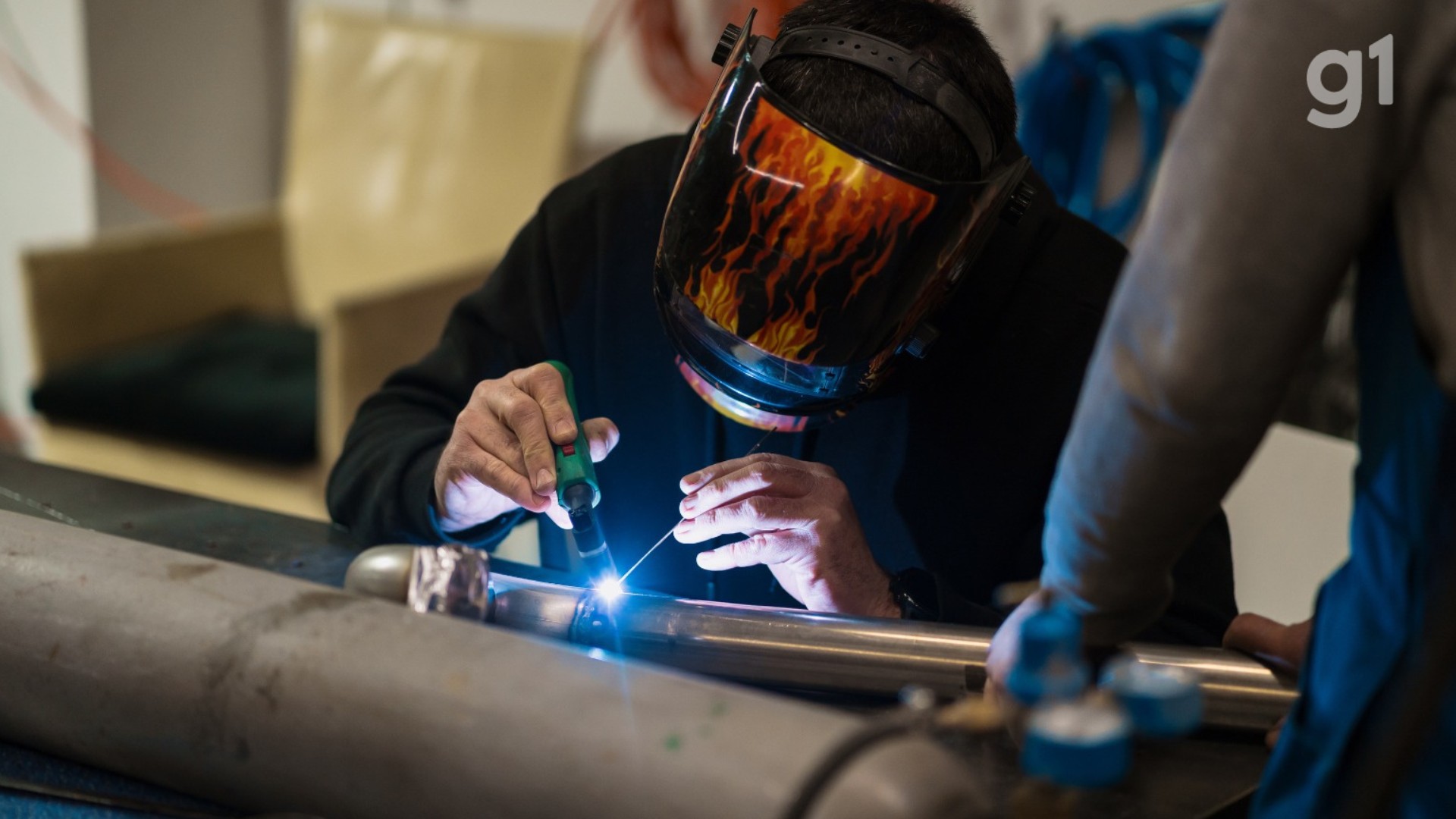
The National Service for Industrial Apprenticeship of Maranhão (SENAI-MA) has opened registration for 100 free spots in professional qualification courses in Caxias, a city located approximately 360 km from São Luís. These opportunities are part of the SENAI Program for Regimental Free Tuition and are distributed among four courses: Storekeeper, Industrial Electrician, Electrician for Electrical Energy Distribution Networks, and Coated Electrode Welder, with 25 positions available for each. The registration period extends until July 31st or until all vacancies are filled. Priority is given to low-income individuals and both employed and unemployed workers. Completion of high school is not a prerequisite for participation. All courses require completion of elementary school. Additionally, the Industrial Electrician, Electrician for Electrical Energy Distribution Networks, and Coated Electrode Welder courses have a minimum age requirement of 18 years. The Storekeeper course, lasting 200 hours, focuses on storage and inventory control processes. The 240-hour Industrial Electrician course trains students in the installation and maintenance of industrial electrical systems. The Electrician for Electrical Energy Distribution Networks course, with 350 hours, prepares individuals for commercial technical services, as well as the construction and maintenance of electrical distribution networks. The 210-hour Coated Electrode Welder course qualifies professionals for welding carbon steel plates and pipes. In-person registration is required at the SENAI Caxias unit, located at Rua Gonçalves Dias, s/n, Residencial Hélio Queiroz, between 2:00 PM and 8:00 PM. Applicants must present original and copied documents including identification, CPF, elementary school completion certificate, proof of residence, a 3x4 photo, and a self-declaration of low income. The complete public notice is available on the FIEMA website.
This initiative by SENAI-MA addresses a critical need for skilled labor by providing accessible vocational training. By offering free courses, the program aims to enhance employability, particularly for low-income individuals and those seeking to re-enter the workforce. The focus on trades like industrial electricians and welders aligns with current industrial demands, potentially boosting regional economic development. However, the long-term impact will depend on the effective integration of these newly skilled workers into the local job market and the continued relevance of the training in an evolving technological landscape. Future considerations should include tracking graduate employment rates and adapting curricula to incorporate emerging technologies.
AI-generated to prompt reflection — not editorial opinion, not advice, not a statement of fact. How this works.