Senai Recife Offers 380 Free Professional Development Courses
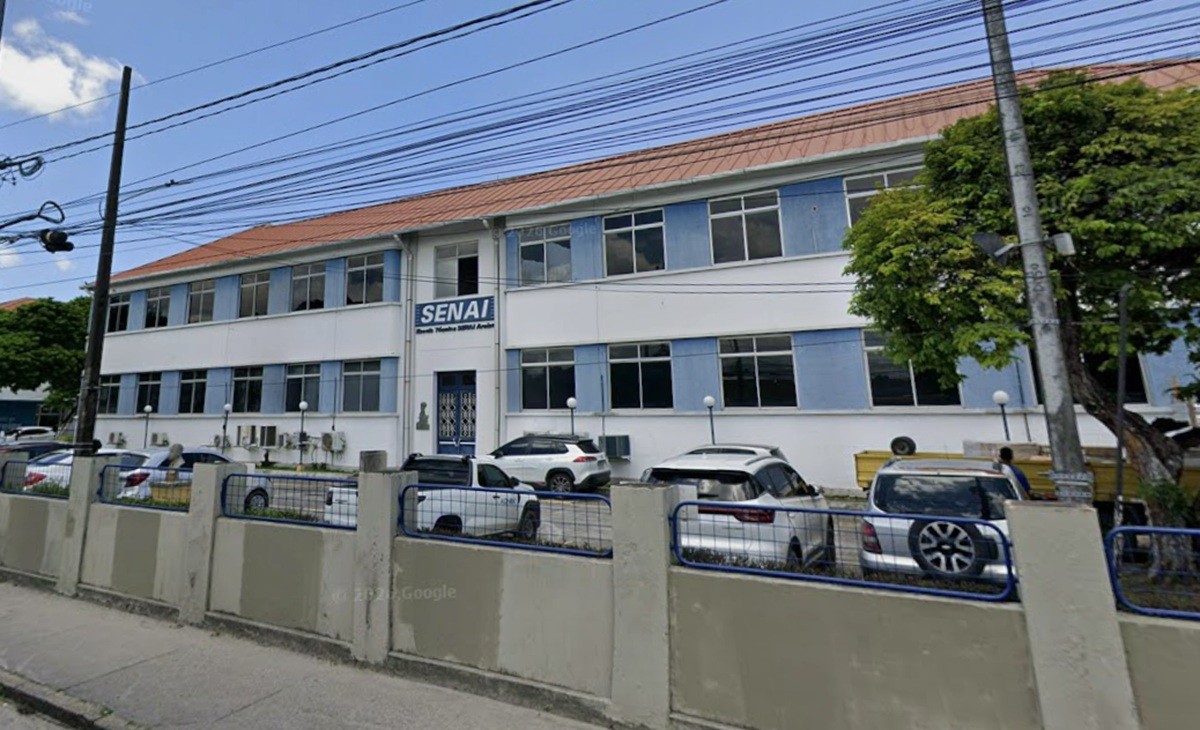
The National Service for Industrial Apprenticeship (Senai) is launching 380 free professional development course spots in Recife, Brazil. These courses are available in both in-person and distance learning formats, covering various fields. Enrollment opens on Monday, July 27, and will continue online until August 2. All programs have a one-month duration and will be conducted at the Senai Areias unit, located in the Areias neighborhood in Recife's West Zone. To be eligible, applicants must be at least 16 years old and declare low-income status during registration. Vacancies will be filled on a first-come, first-served basis. The selection results are scheduled to be announced on August 4 via the Senai website. Six distance learning courses, each with 50 spots, and one in-person course with two classes of 40 spots each are being offered. The distance learning options include Eficiência Energética, Gestão de Suprimentos, Logística Sustentável, Recebimento de Materiais, Armazenagem, and Gestão de Distribuição. The in-person course is Técnicas para Operadores de Linha de Produção. Applicants will need to provide their identity and CPF numbers, along with their residential address. Minors must also submit their legal guardian's documentation. Final registration will be completed online without the need for in-person attendance at the unit. Coursework ranges from 32 to 100 hours, with certification requiring a minimum average grade of 7 and 75% attendance.
This initiative by Senai highlights a strategic approach to workforce development by offering accessible, short-term, and in-demand skills training. By leveraging both online and in-person modalities, Senai expands its reach and caters to diverse learning preferences, potentially addressing immediate labor market needs. The focus on low-income individuals and a first-come, first-served enrollment system aims to democratize access to upskilling opportunities. However, the long-term impact will depend on how well these courses align with evolving industry demands and whether graduates can effectively translate their new skills into sustainable employment, particularly in the context of increasing automation and the digital economy. The limited duration of the courses suggests a focus on foundational or supplementary skills rather than deep specialization, prompting consideration of pathways for continuous learning and career progression.
AI-generated to prompt reflection — not editorial opinion, not advice, not a statement of fact. How this works.