Senate Confirms Jay Clayton as Director of National Intelligence
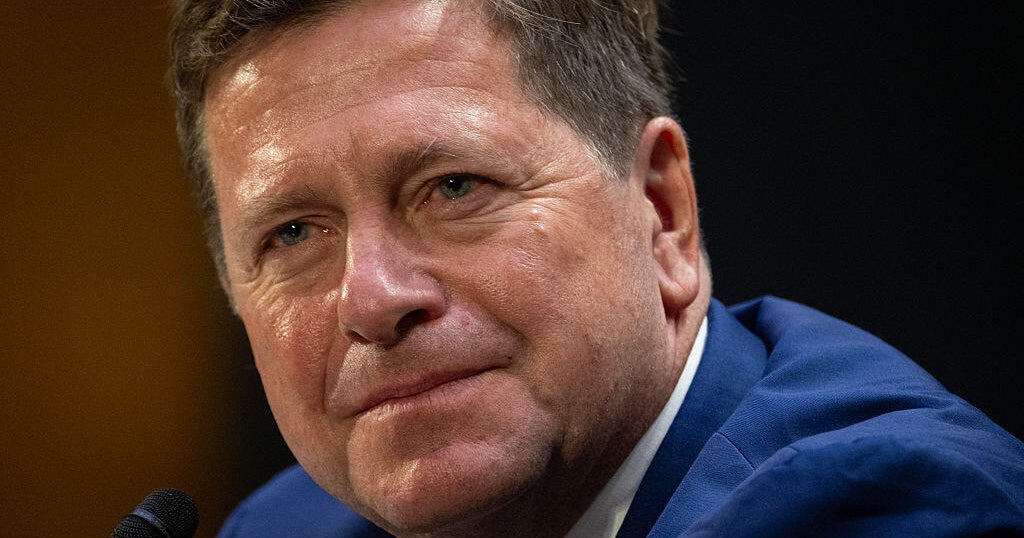
The U.S. Senate has confirmed Jay Clayton for the position of Director of National Intelligence. This confirmation is expected to resolve a significant impasse concerning a critical intelligence-gathering tool. The tool in question had lapsed last month, creating a gap in national security capabilities. Clayton's leadership is anticipated to facilitate the renewal and operationalization of this vital surveillance mechanism. The Director of National Intelligence oversees the U.S. intelligence community and coordinates its activities. This role is crucial for maintaining national security and responding to global threats. The confirmation process involved a vote in the Senate, highlighting the legislative branch's role in approving key national security appointments. The lapse of the spy tool had raised concerns among intelligence officials and policymakers about potential vulnerabilities. Clayton's appointment aims to restore confidence and ensure the continuity of essential intelligence operations. His tenure will be closely watched as he navigates the complexities of the intelligence community and addresses ongoing national security challenges.
The confirmation of Jay Clayton as Director of National Intelligence addresses a critical operational gap in U.S. intelligence capabilities, specifically regarding a lapsed surveillance tool. This event underscores the legislative branch's oversight function in national security appointments and the executive branch's reliance on congressional approval for essential intelligence infrastructure. The renewed focus on this tool, under Clayton's leadership, suggests an acknowledgment of its importance in the current geopolitical landscape. Future challenges will likely involve balancing national security imperatives with civil liberties concerns, particularly as technological advancements reshape surveillance possibilities. Clayton's tenure will be a test of his ability to manage interagency cooperation and adapt intelligence practices to the evolving threat environment of the next decade.
AI-generated to prompt reflection — not editorial opinion, not advice, not a statement of fact. How this works.