Senate Questions Nominees Todd Blanche and Jay Clayton on Key Roles
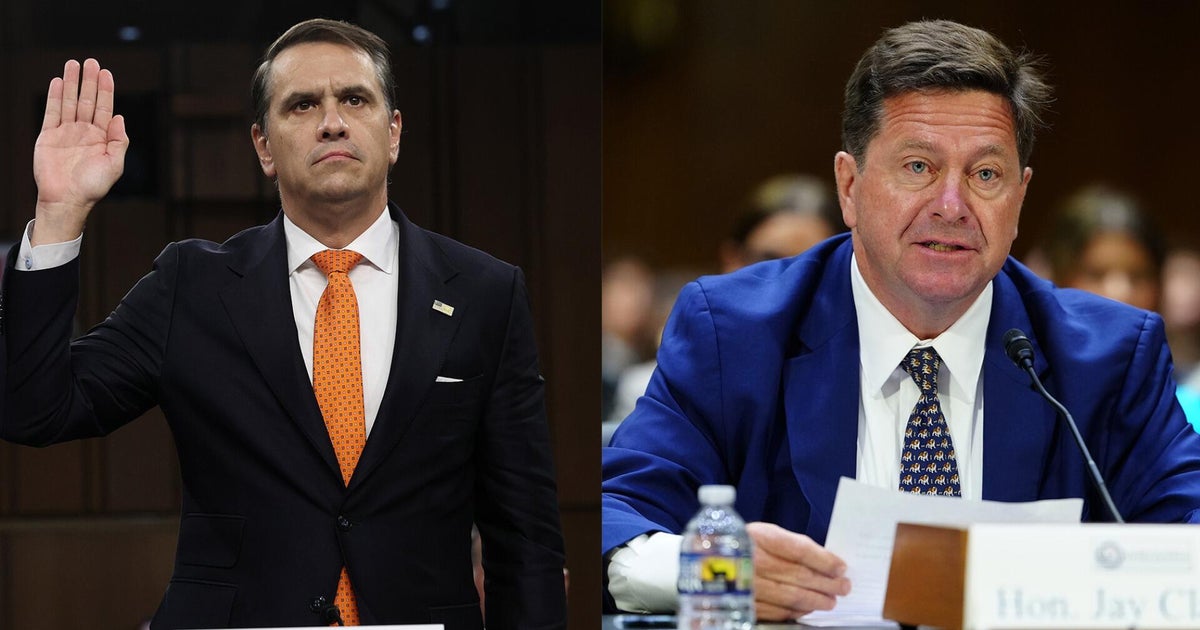
Todd Blanche and Jay Clayton underwent confirmation hearings on Wednesday for the positions of Attorney General and Director of National Intelligence, respectively. The hearings, which took place before the Senate, involved significant questioning from senators regarding their qualifications and potential approaches to the roles. Major Garrett provided an overview of some of the critical inquiries posed to both nominees. These sessions are crucial steps in the vetting process for high-level government appointments, allowing lawmakers to assess candidates' suitability and address public concerns. The specific questions likely delved into policy stances, past professional conduct, and strategic priorities relevant to each position. The Senate's role in these hearings is to provide oversight and ensure that nominees are well-equipped to handle the responsibilities of their prospective offices. The outcomes of these hearings will determine whether Blanche and Clayton advance to the next stage of their confirmation process.
The confirmation hearings for Todd Blanche and Jay Clayton represent a critical juncture in the U.S. governmental appointment process. These sessions are designed to ensure transparency and accountability by subjecting nominees for sensitive positions like Attorney General and Director of National Intelligence to rigorous scrutiny. The questioning from senators aims to gauge not only the candidates' professional competence but also their alignment with established legal and ethical frameworks, as well as their strategic vision for national security and justice. This deliberative process, while sometimes politically charged, serves as a vital mechanism for public trust, allowing for the examination of potential conflicts of interest and policy implications before significant power is conferred. The Senate's oversight function here is paramount in upholding the balance of power and ensuring that future leadership is both capable and aligned with democratic principles.
AI-generated to prompt reflection — not editorial opinion, not advice, not a statement of fact. How this works.