Senate to Advance Russia Sanctions Bill Named for Sen. Lindsey Graham
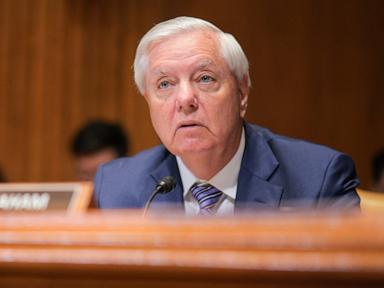
The U.S. Senate is preparing to move forward with a legislative package imposing sanctions on Russia. This bill has been named in honor of Senator Lindsey Graham, reflecting his significant involvement in its development. Senator Graham has been instrumental in negotiating the details of this sanctions package, working closely with the White House to reach an agreement. The specific nature of the sanctions and the precise triggers for their implementation are key components of the ongoing discussions. The bill's progression through the Senate signifies a bipartisan effort to address U.S. foreign policy objectives concerning Russia. Further details regarding the bill's scope and the timeline for its potential passage are expected as the legislative process unfolds. The White House has been a collaborative partner in shaping this initiative, indicating a coordinated approach between the executive and legislative branches on this foreign policy matter. The naming of the bill after Senator Graham underscores his leadership role in this foreign policy endeavor.
The legislative push for Russia sanctions highlights the ongoing geopolitical tensions and the utilization of economic tools in international relations. The collaborative negotiation between Senator Graham and the White House demonstrates a strategic alignment of objectives between the legislative and executive branches concerning Russia policy. This coordinated effort aims to leverage financial and trade restrictions as a deterrent or punitive measure, reflecting a broader trend of employing economic statecraft. The bill's progression suggests a focus on establishing clear policy frameworks to address perceived aggressions or destabilizing activities by Russia, aligning with long-term strategic interests. Future implications may involve reciprocal actions from Russia and potential impacts on global markets, necessitating careful consideration of economic interdependence and diplomatic recourse.
AI-generated to prompt reflection — not editorial opinion, not advice, not a statement of fact. How this works.