Senator Cid Gomes experiences vasovagal syncope during political convention in Ceará
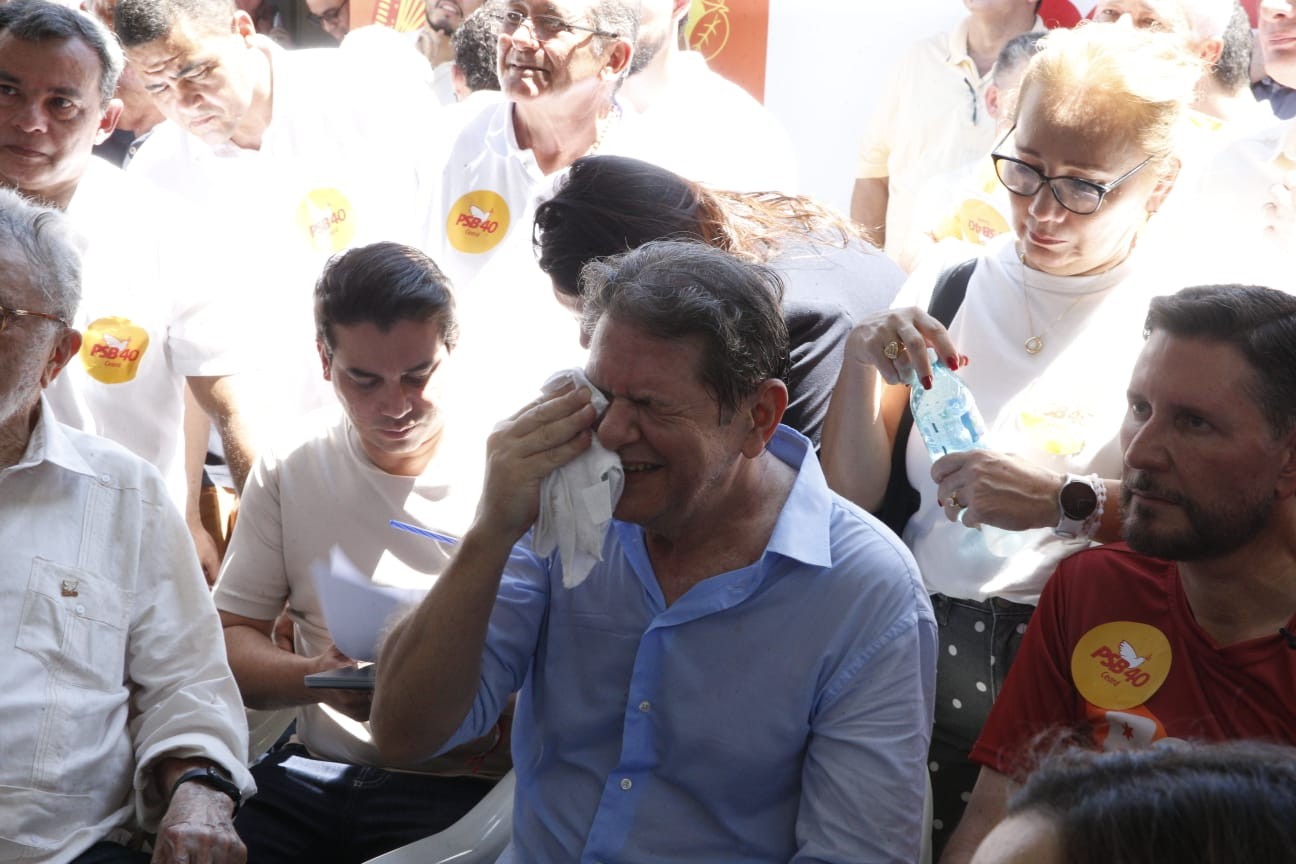
Senator Cid Gomes (PSB) experienced a vasovagal syncope episode on Saturday, August 1st, during a PSB party convention in Fortaleza, Ceará. The incident occurred as Gomes was being officially nominated for re-election to the Senate, on a ticket with Governor Elmano de Freitas (PT), who is also seeking re-election. Gomes explained that he suffers from vasovagal syncope, a condition where the vagus nerve, in response to heat and political pressures, signals the heart to slow its beat to lower blood pressure. He described feeling faint and requested water to pour over his head to mitigate the heat. Despite the discomfort, the senator continued his speech. Vasovagal syncope is a circulatory issue where blood pressure and heart rate regulation are impaired by the nervous system. Symptoms can include weakness, sweating, paleness, heat sensations, nausea, dizziness, blurred vision, headache, or palpitations. Triggers include crowded or hot environments, fasting, prolonged standing, anxiety, and physical exertion. The condition can lead to fainting as the body attempts to protect itself by reducing blood flow to the brain. Medical sources indicate that this condition can be mistaken for other neurological or metabolic issues like epilepsy or hypoglycemia.
Senator Cid Gomes's public health episode highlights the physiological stresses inherent in political campaigning, particularly in challenging environmental conditions. The incident underscores the importance of public figures managing their health proactively, especially when undertaking demanding roles. Future political engagement strategies may need to incorporate more robust health monitoring and environmental controls to mitigate such risks. This event also serves as a reminder of the prevalence of vasovagal syncope, a common condition that can affect individuals across various professions, emphasizing the need for public awareness and appropriate response protocols in public gatherings.
AI-generated to prompt reflection — not editorial opinion, not advice, not a statement of fact. How this works.