Senator Cleitinho Denies Republicanos Party's Claim He Won't Run for Governor of Minas Gerais
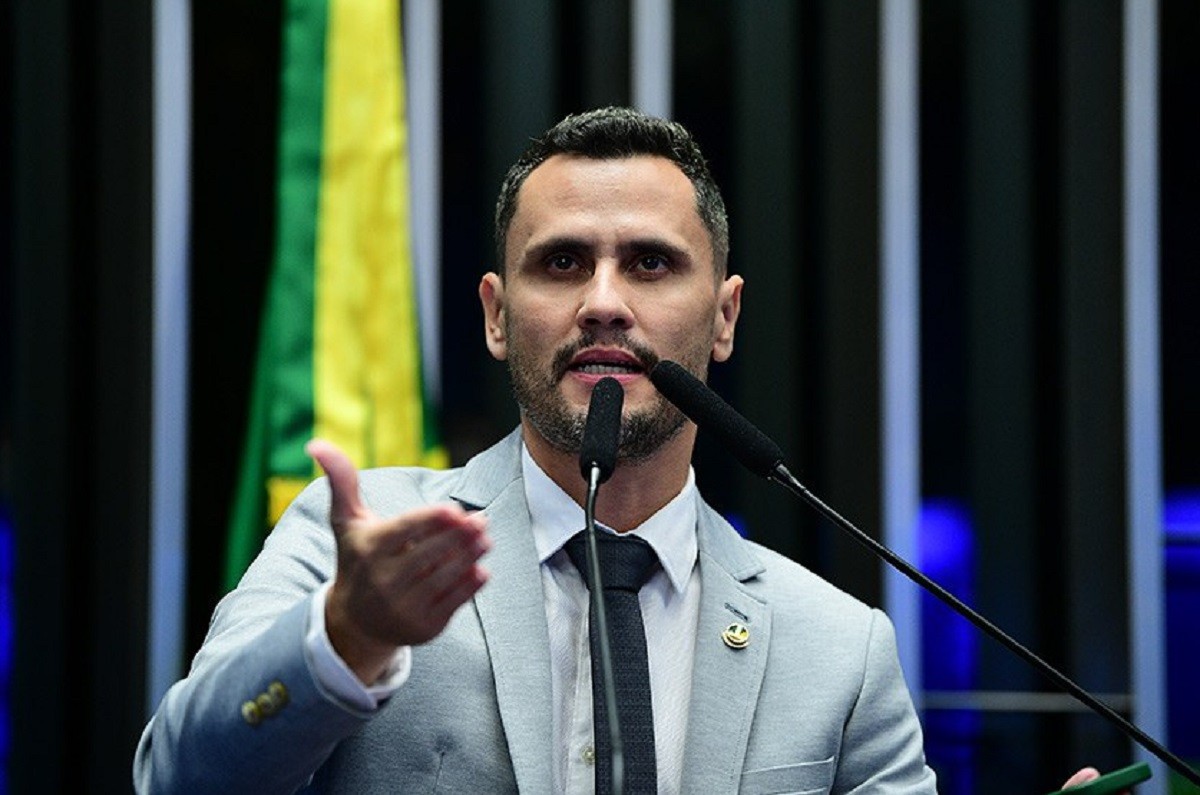
The Republicanos party announced on Wednesday, April 29th, that Senator Cleitinho (REP-MG) would not be a candidate for governor of Minas Gerais. However, the senator has denied this information, asserting his intention to contest the position. The party's national president, Marcos Pereira, confirmed the alleged withdrawal to GloboNews, but Cleitinho's team issued a denial approximately 40 minutes later. This dispute arises as the electoral calendar imposes strict deadlines for strategic changes. While senators can switch parties outside of the usual "party window," electoral law mandates candidates be affiliated with their chosen party six months before an election. This deadline for 2026 passed on April 4th, meaning any gubernatorial bid by Cleitinho would have to be under the Republicanos party affiliation he held on that date. Sources within the party emphasize that Cleitinho has "missed the timing" for his candidacy. The controversy persists despite Cleitinho leading in the latest Quaest poll for the Minas Gerais governorship. The Republicanos party issued a statement noting the senator's absence from their state convention, despite personal justifications, as a "political fact with inevitable consequences," and stated that the party worked hard for his candidacy, but lacked his "unequivocal decision." The PL party's president, Valdemar Costa Neto, also commented that Cleitinho "changes his mind all the time" and has "lost the timing," suggesting he might struggle in an executive race due to his intense style. Cleitinho's failure to attend the Republicanos state convention on Saturday, April 25th, where his nomination was expected, further fueled speculation. The Republicanos party will now support former Minas Gerais Secretary of Government Marcelo Aro (PP) for governor, a decision formalized with Aro, Flávio Bolsonaro, and Marcos Pereira.
The situation surrounding Senator Cleitinho's potential gubernatorial candidacy highlights the complex interplay of party loyalty, electoral law deadlines, and individual political ambition. The Republicanos party's public declaration of his withdrawal, followed by Cleitinho's denial, suggests a significant internal rift and a potential strategic miscalculation by either the party or the senator. Electoral laws, particularly the six-month affiliation requirement, create rigid structures that can constrain political maneuvering, especially when candidates seek to leverage shifting poll numbers or perceived electoral advantages. The senator's leading poll numbers, juxtaposed with the party's assertion that he "missed the timing," points to a divergence in strategic assessment. The involvement of other national political figures and parties, such as the PL and the endorsement of Marcelo Aro, indicates that this local dispute has broader implications for coalition building and the broader political landscape in Minas Gerais. The tension between adherence to electoral deadlines and the pursuit of opportune candidacies reflects an ongoing challenge in political systems: balancing established rules with the dynamic nature of political strategy and public sentiment.
AI-generated to prompt reflection — not editorial opinion, not advice, not a statement of fact. How this works.