Senator Lindsey Graham, staunch Israel ally and hawk, dies at 69
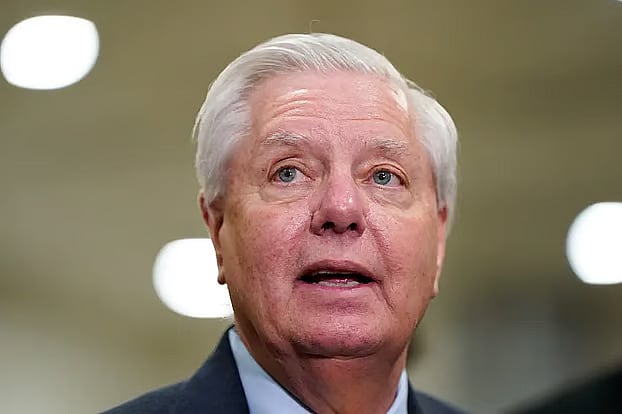
Late Republican Senator Lindsey Graham, a close associate of former President Donald Trump, passed away suddenly after falling ill. Graham was known for his unwavering support of Israel and his hawkish foreign policy stance. In a recent appearance on Fox News, he controversially shifted from discussing the aftermath of Hurricane Helene in South Carolina to expressing strong support for Israel's actions in Gaza, even suggesting that Israel should "destroy the whole place" in its defense. He argued that Israel, surrounded by enemies seeking its destruction, faced the threat of a "second Holocaust" and that calls for restraint from President Joe Biden were inappropriate when facing existential threats. Graham had a long political career marked by support for the 2003 Iraq invasion, opposition to Russia and China, and advocacy for military intervention, particularly in the Middle East. He consistently pushed for robust U.S. military aid to Israel, once securing an additional $100 million after a visit in 2021. His pro-Israel stance sometimes led to controversial remarks, including comparing Palestinians to Nazis and suggesting the potential justification of nuclear strikes, despite international laws aimed at preventing such atrocities. Israeli leaders, including Prime Minister Benjamin Netanyahu and National Security Minister Itamar Ben-Gvir, mourned his death, with Netanyahu noting Graham often sought more U.S. support for Israel than even the Israeli government requested. Critics, such as Hatem Abudayyeh of the U.S. Palestinian Community Network, condemned Graham as a "war criminal" who promoted war, occupation, and genocide throughout his career.
Senator Lindsey Graham's passing removes a prominent voice advocating for assertive U.S. foreign policy and unwavering support for Israel. His career exemplified a consistent commitment to military interventionism, contrasting with a broader trend among some politicians to distance themselves from hawkish rhetoric following prolonged conflicts. Graham's strong pro-Israel stance, including controversial statements and advocacy for significant military aid, highlights the complex geopolitical dynamics and the deep-seated alliances that shape international relations. His legacy prompts reflection on the role of individual political figures in driving foreign policy agendas and the ethical considerations surrounding military conflict and humanitarian law. The differing perspectives on his impact, from Israeli leaders praising his support to Palestinian advocates condemning his rhetoric, underscore the polarized nature of the Israeli-Palestinian conflict and its perception globally.
AI-generated to prompt reflection — not editorial opinion, not advice, not a statement of fact. How this works.