Senator Lindsey Graham Suffered Fatal Aortic Dissection
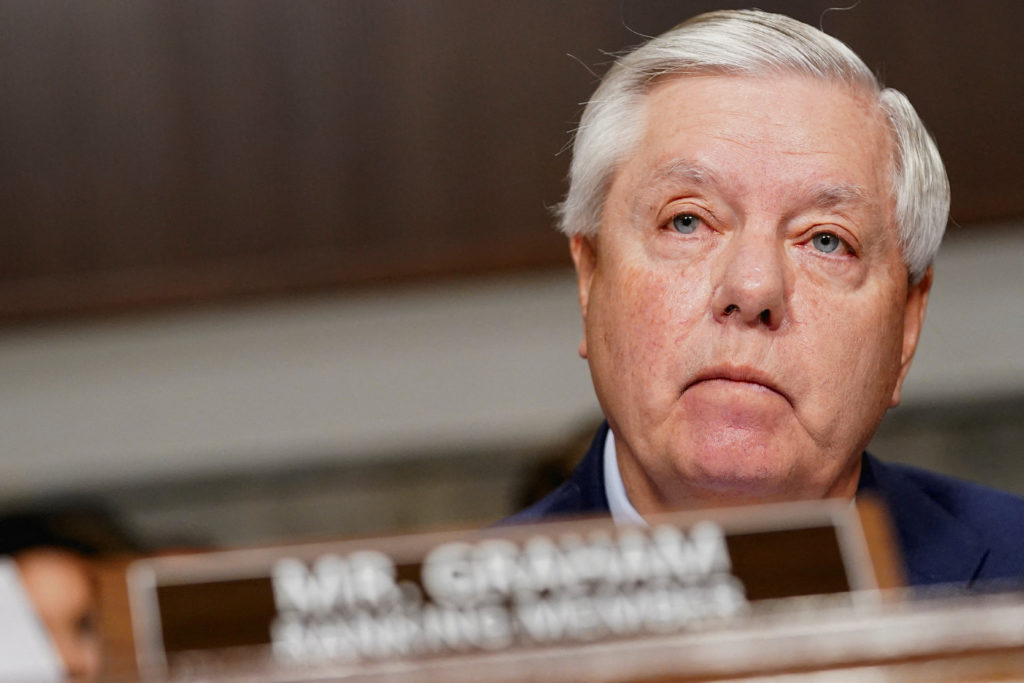
Senator Lindsey Graham has likely died due to a tear in his aorta, according to preliminary medical findings. The condition, known as an aortic dissection, involved a tear in the inner lining of the aorta. This medical emergency was reportedly linked to the hardening of the senator's arteries. Further details regarding the exact circumstances of his passing are expected as the investigation progresses. The medical examination aims to confirm the cause of death and provide a comprehensive understanding of the physiological events that led to this tragic outcome. The hardening of arteries, or atherosclerosis, is a known risk factor for aortic dissections, which occur when the inner layer of the aorta tears and blood surges through the opening, causing the layers to separate. This condition is often sudden and life-threatening, requiring immediate medical intervention. The preliminary findings suggest a direct correlation between Graham's pre-existing arterial condition and the fatal aortic dissection. The medical community emphasizes the importance of managing cardiovascular risk factors to prevent such severe events.
The reported cause of Senator Graham's death highlights the critical impact of cardiovascular health, particularly the risks associated with atherosclerosis. This event underscores the systemic challenges in public health regarding preventative care and the management of chronic conditions like hardening of the arteries. As medical technology advances, the focus on early detection and intervention for conditions like aortic dissection will become increasingly vital. Future healthcare strategies may need to address not only treatment but also robust public awareness campaigns and accessible screening protocols to mitigate the incidence of such severe cardiovascular events. The intersection of individual health, medical science, and public policy will continue to shape outcomes in the coming decade.
AI-generated to prompt reflection — not editorial opinion, not advice, not a statement of fact. How this works.