Senator Links Marcos' Low Satisfaction to Soaring Cost of Goods
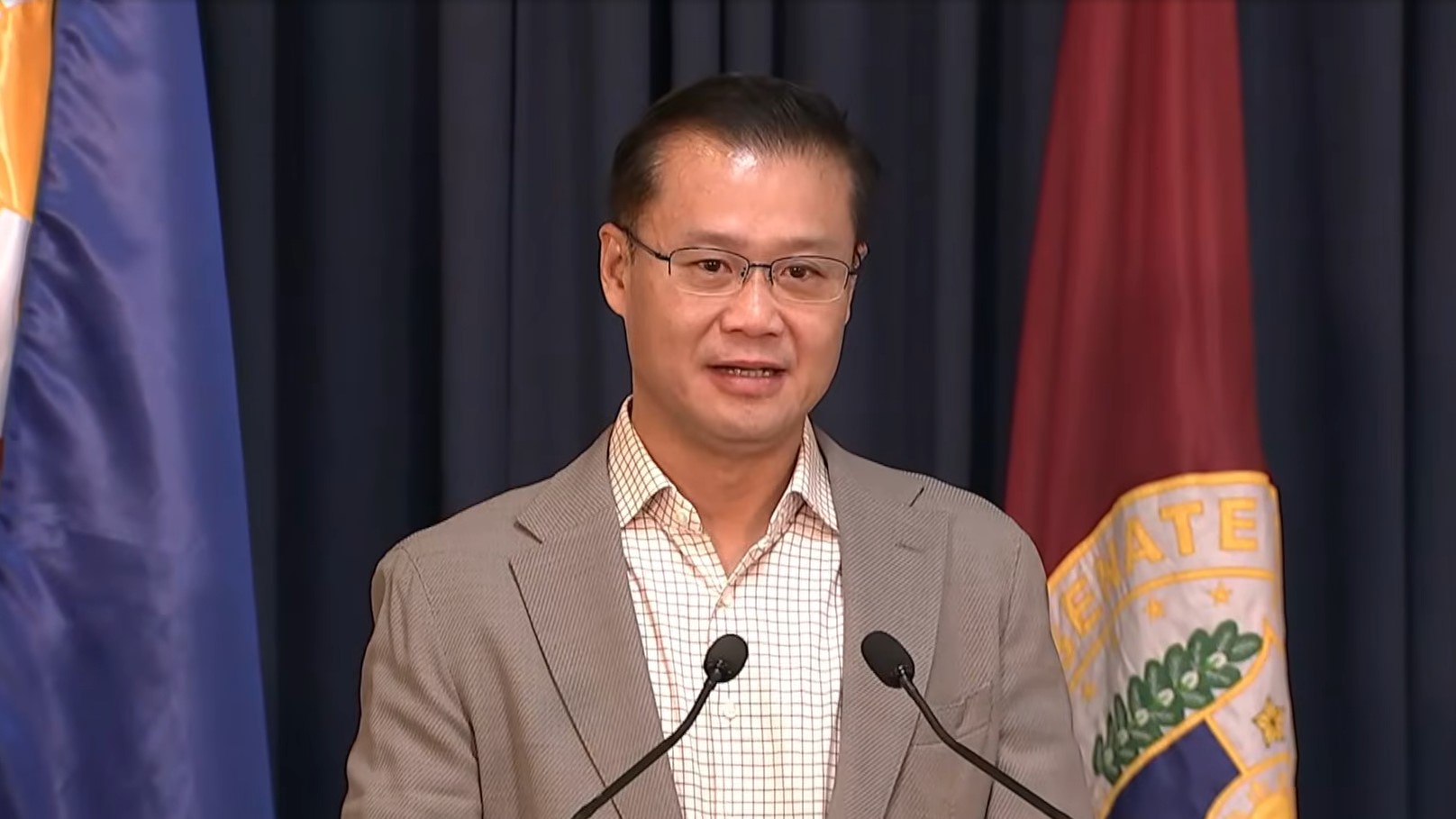
Senator Sherwin Gatchalian stated that President Ferdinand "Bongbong" Marcos Jr.'s declining satisfaction rating is directly linked to the increasing prices of essential goods. Gatchalian highlighted that the public's perception of the administration's performance is heavily influenced by their daily economic struggles. The senator pointed out that while the government may be implementing various economic policies, the tangible impact on the cost of living is what resonates most with the populace. He suggested that the administration needs to address the root causes of inflation more effectively to regain public trust. The rising cost of basic commodities, such as food and fuel, has become a significant concern for Filipino households. This economic pressure is believed to be a primary driver behind the dip in the President's approval ratings. Gatchalian emphasized the need for immediate and visible solutions to alleviate the financial burden on citizens. The senator's remarks underscore the critical connection between economic stability and political approval in the Philippines.
The senator's assertion frames public satisfaction as a direct consequence of inflation, a common dynamic in political economies. This perspective suggests that governance effectiveness is primarily judged by immediate economic relief rather than long-term policy architecture. In the context of the emerging AI era, where economic disruptions and productivity shifts are anticipated, governments will face increasing pressure to demonstrate tangible improvements in living standards. The challenge lies in balancing the need for immediate inflation control with investments in future economic resilience, such as technological adoption and supply chain diversification. Future administrations may need to develop more robust communication strategies to explain complex economic factors and demonstrate progress beyond immediate price fluctuations.
AI-generated to prompt reflection — not editorial opinion, not advice, not a statement of fact. How this works.