Senator Nelsinho Trad Withdraws Re-election Bid, Becomes Running Mate for 2026
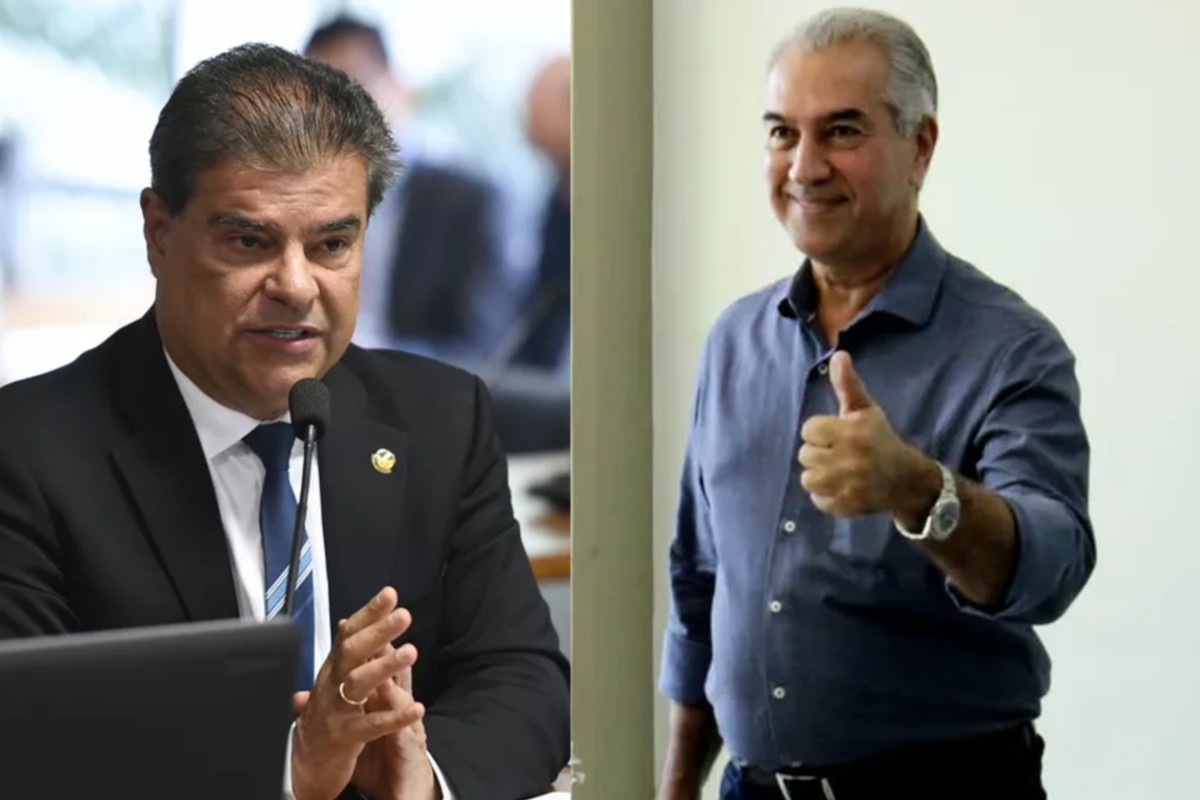
Senator Nelsinho Trad (PSD) announced on Friday, March 31st, that he will not seek re-election to the Federal Senate in the 2026 elections. Instead, he will serve as the substitute senator on the ticket led by former governor Reinaldo Azambuja (PL). This decision, according to Trad, aligns with a directive from the national leadership of the Social Democratic Party (PSD), headed by Gilberto Kassab, and is part of a strategy to strengthen a political alliance in Mato Grosso do Sul. Trad stated that while the decision was not easy, he prioritized the group's interests over personal ambitions, aiming to contribute his experience and influence to Azambuja's campaign. He emphasized that his role ensures the PSD's continued presence in key decision-making processes for the state. Nelsinho Trad, currently in his first term as senator, pledged to continue advocating for the municipalities of Mato Grosso do Sul, asserting that the choice was made with a clear conscience and in favor of political unity. This alliance brings together two prominent state political figures: Trad, a former mayor of Campo Grande elected senator in 2018, and Azambuja, who served two consecutive terms as governor from 2015 to 2022. The move reshapes the senatorial race in Mato Grosso do Sul and solidifies the partnership between the PSD and PL for the upcoming elections.
This political maneuver signifies a strategic realignment within Mato Grosso do Sul's political landscape, prioritizing coalition-building and party directives over individual re-election pursuits. By stepping aside from a direct Senate bid to become a running mate, Senator Trad aims to leverage his influence and ensure party representation within a broader alliance. This approach reflects a pragmatic calculation of electoral viability and a focus on consolidating power through established figures like Reinaldo Azambuja. Such strategic partnerships, driven by national party leadership and state-level electoral dynamics, underscore the evolving nature of political alliances in Brazil, where coordinated efforts are often seen as essential for navigating complex electoral cycles and maintaining influence in key policy decisions. The long-term implications will depend on the effectiveness of this unified front in achieving electoral success and advancing their shared political agenda for the state.
AI-generated to prompt reflection — not editorial opinion, not advice, not a statement of fact. How this works.