Senator Romário Fights Salary Garnishment, Citing Financial Hardship
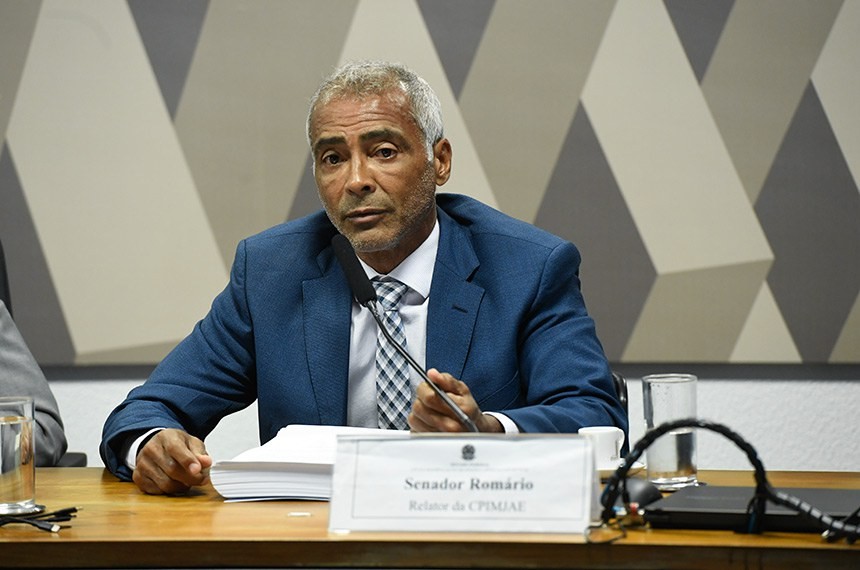
Brazilian Senator Romário, a former football star, is contesting a court order to garnish 30% of his Senate salary to settle a debt. He argues that the seizure of funds will irreversibly damage his finances and compromise his basic survival. The garnishment order stems from a defamation lawsuit filed by Marco Polo Del Nero, former president of the Brazilian Football Confederation (CBF), who sought R$34.4 thousand in damages. Romário's legal team contends the seizure is illegal and deprives him of essential resources for his daily life. The court initially approved the garnishment in July, and despite Romário's appeal, the Judicial Court denied an immediate suspension of the measure. The debt originated from a 2013 incident when Romário, then a federal deputy, made public statements calling for Del Nero's imprisonment. Del Nero claimed these remarks constituted an abuse of free speech and were retaliatory after his political faction at the CBF rejected Romário's bid to control women's football. Romário defended his statements as protected by parliamentary immunity and aimed at criticizing, not offending, Del Nero, asserting his intent was to advocate for ethical leadership in sports institutions. A prior criminal complaint by Del Nero was dismissed for lack of defamation. The civil court ruled against Romário, a decision upheld on appeal, leading to the current debt collection efforts. Earlier this year, a court attempted to freeze Romário's bank accounts, but no funds were found, prompting the current salary garnishment proceedings.
This case highlights the tension between legal obligations and personal financial capacity, particularly for public figures. The court's garnishment order reflects a commitment to enforcing judicial decisions, while Senator Romário's appeal underscores the potential for such measures to impact an individual's livelihood, even for those in high-profile positions. The situation raises questions about the proportionality of debt collection methods and their potential to disrupt the functioning of public service if a legislator's basic financial stability is jeopardized. Examining the interplay between judicial enforcement, parliamentary immunity, and the financial realities of elected officials offers insight into governance and the practical application of law in a democratic society.
AI-generated to prompt reflection — not editorial opinion, not advice, not a statement of fact. How this works.
