Senator Soraya Thronicke to Pursue Senate Seat Independently, Rejects PT Offer
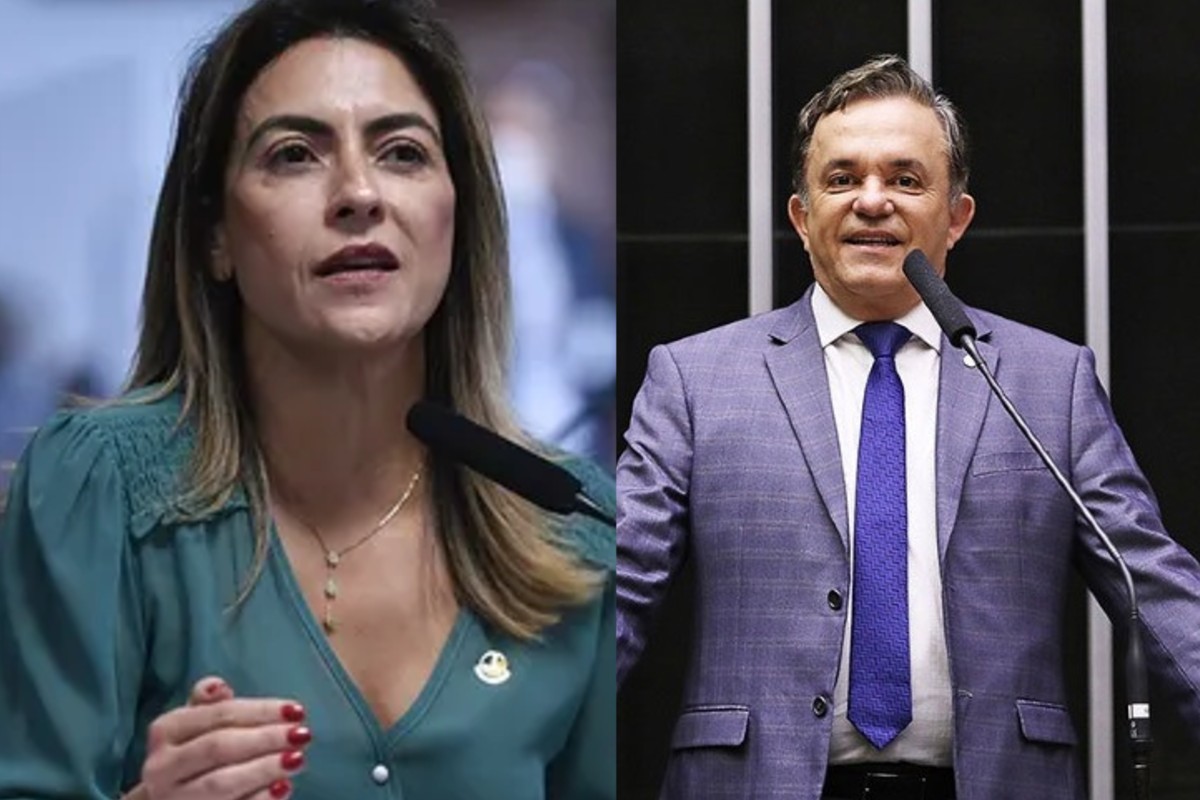
Senator Soraya Thronicke, representing the PSB party, has announced her decision to maintain her pre-candidacy for the Federal Senate in Mato Grosso do Sul. This comes after she declined an invitation to join a ticket headed by PT's pre-candidate for the Senate, Vander Loubet, where she would have served as the first alternate. The decision was finalized following discussions with leaders of the Brazilian Socialist Party (PSB) and the Vice President of the Republic, Geraldo Alckmin. In a statement released on Thursday, May 16th, Thronicke expressed honor at Loubet's proposal but confirmed the PSB's commitment to her independent senatorial bid. She stated that after extensive dialogue with PSB leadership and Vice President Alckmin, the party resolved to support her continued candidacy. Despite not forming a joint ticket, Thronicke affirmed her intention to collaborate with Vander Loubet on political initiatives benefiting Mato Grosso do Sul, focusing on democratic strengthening and the election of representatives dedicated to the state's development and its population's welfare. This declaration concludes recent speculation regarding a potential alliance between the two politicians for the Senate race, underscoring Thronicke's resolve to compete with the PSB's backing.
This political maneuver highlights the strategic considerations within Brazil's party system as the 2026 elections approach. Senator Thronicke's decision to maintain her independent candidacy, rather than accepting a supporting role on a PT-led ticket, suggests a calculation prioritizing her personal political trajectory and the PSB's distinct identity over immediate coalition gains. The emphasis on continued collaboration with Vander Loubet, despite not sharing a ballot, indicates an attempt to balance party autonomy with broader democratic front objectives. This approach reflects a common tension in multi-party democracies: the pursuit of individual party strength versus the formation of unified electoral blocs to maximize influence. The outcome may influence future inter-party dynamics and candidate alignments in Mato Grosso do Sul, demonstrating the complex interplay of ambition, party loyalty, and electoral strategy.
AI-generated to prompt reflection — not editorial opinion, not advice, not a statement of fact. How this works.