Senator Tereza Cristina Regrets Failed Vice Presidential Bid After PP Rejection
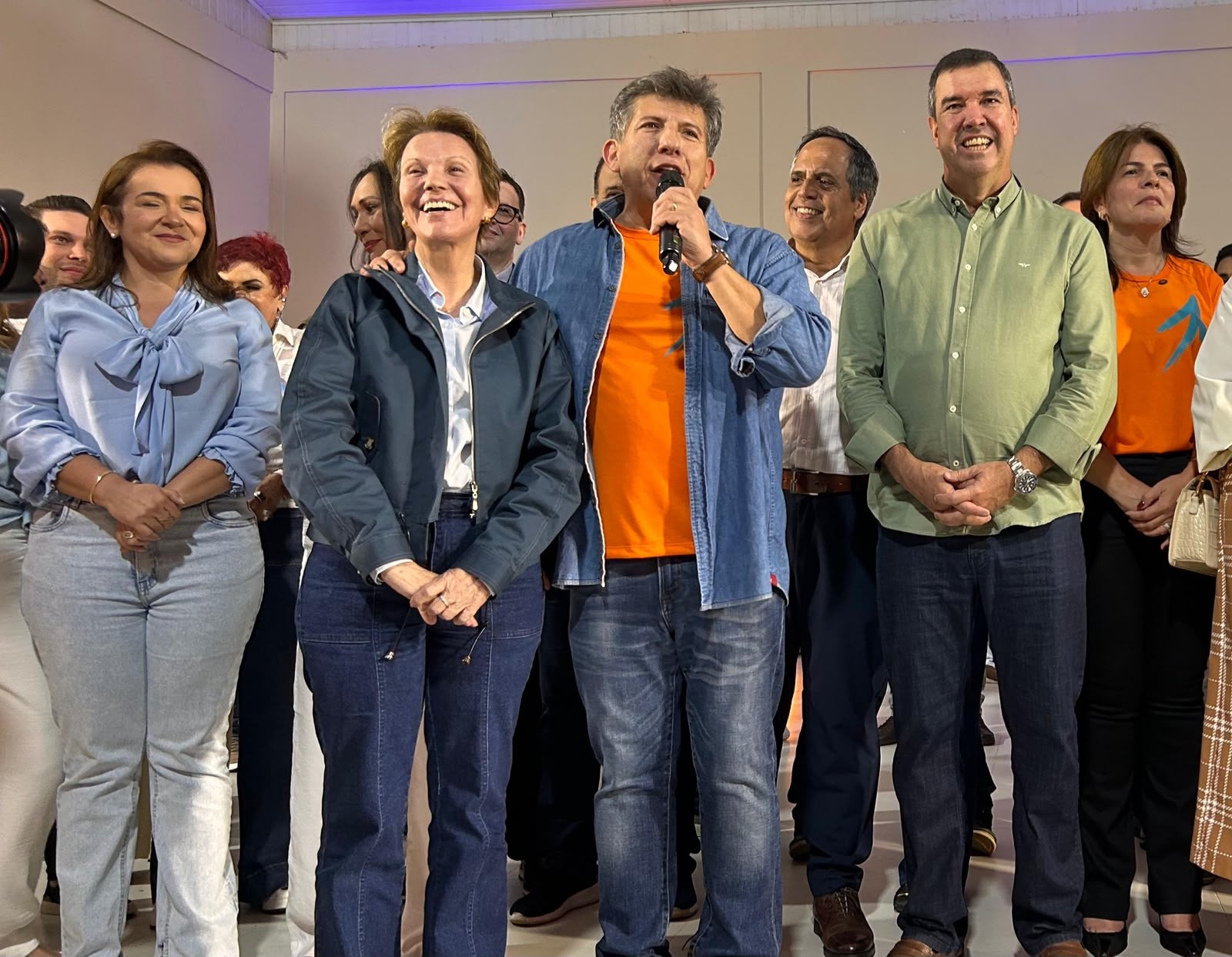
Senator Tereza Cristina (PP-MS) has commented for the first time on the collapse of negotiations for her to serve as Vice President alongside Flávio Bolsonaro (PL). Speaking on Friday, October 31st, in Campo Grande after a state convention for the Avante party, Cristina stated that the party would maintain neutrality and that she is not an independent candidate. She emphasized her reliance on the party's decision, expressing her feelings about the neutrality but affirming her commitment to supporting Flávio's campaign. The push for Cristina as Bolsonaro's running mate faced significant internal resistance within the right-wing political landscape and divisions within her own party. The PP, led by Ciro Nogueira, formally rejected the alliance with Flávio Bolsonaro's PL on Friday, declaring neutrality in the presidential elections. This decision is complicated by the PP's federation with União Brasil, requiring consensus from both parties for any alliance. A key obstacle has been reconciling national party leadership preferences with the interests of state-level directorates, with national leaders leaning towards allowing states to form alliances based on local contexts. Additionally, Ciro Nogueira reportedly harbors resentment towards Flávio Bolsonaro due to ongoing investigations in the 'Master case,' where both are implicated. Flávio Bolsonaro had previously referred to Cristina as his 'dream candidate' for the vice-presidential slot, with national PL president Valdemar Costa Neto actively working to facilitate the pairing. Pressure for Cristina's inclusion also came from business circles, particularly those connected to agribusiness.
The stalled vice-presidential bid highlights the complex interplay of party loyalty, federalism, and personal political dynamics in Brazil's electoral landscape. The PP's neutrality decision, influenced by its federation with União Brasil and internal resentments, demonstrates how coalition politics can be constrained by both structural agreements and individual grievances. Flávio Bolsonaro's persistence, despite setbacks, reflects a strategy to consolidate support, while Tereza Cristina's position underscores the challenges faced by candidates when party interests supersede personal ambitions. Looking ahead, such internal party negotiations and the influence of legal investigations on political alliances will likely continue to shape the broader political alignments and electoral outcomes in the coming decade, testing the resilience of established party structures against evolving public and legal pressures.
AI-generated to prompt reflection — not editorial opinion, not advice, not a statement of fact. How this works.