Seneca: Self-friendship is the foundation for healthy relationships
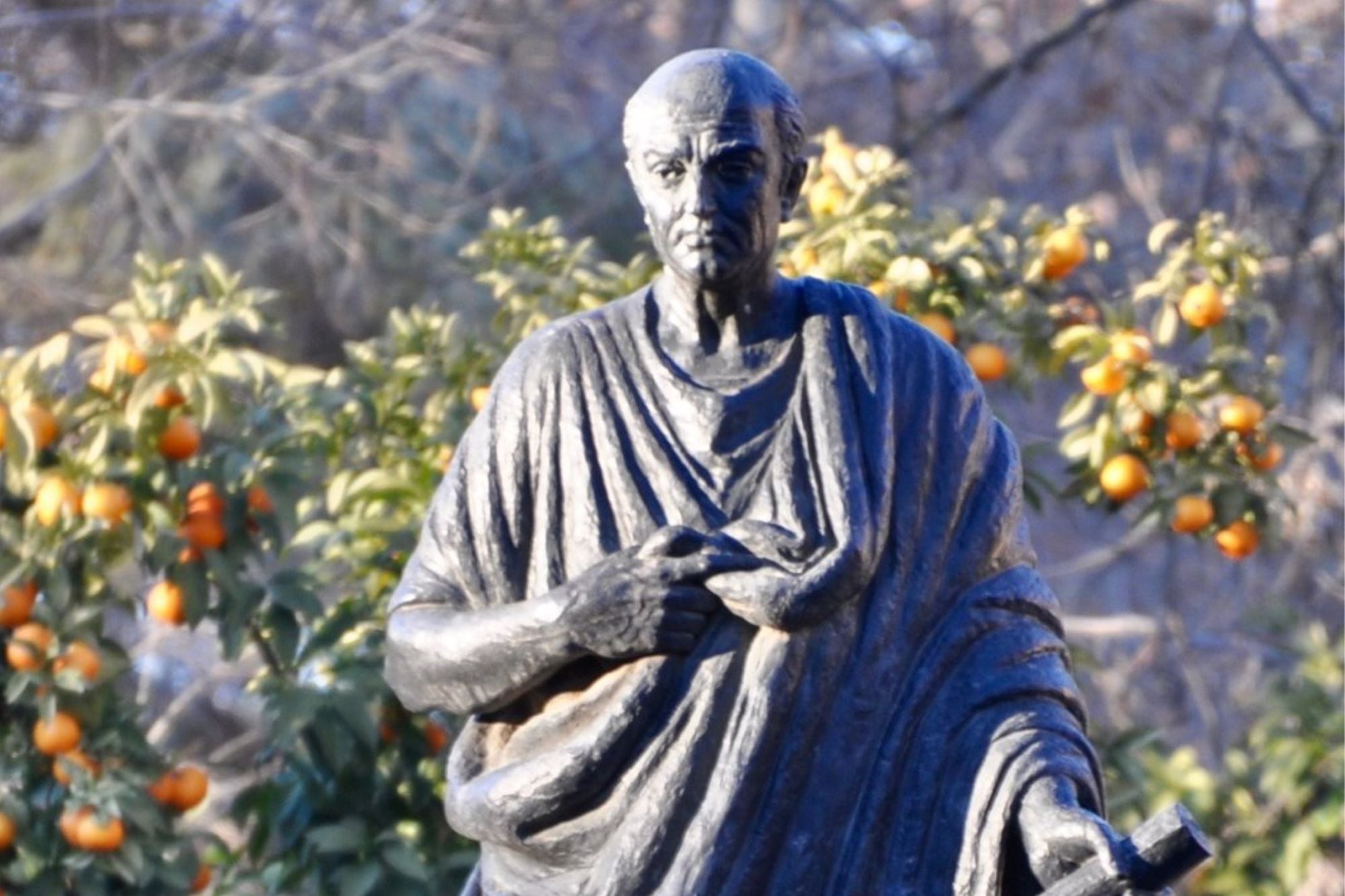
The Stoic philosopher Seneca proposed that self-appreciation serves as a crucial tool for moral advancement. He argued that cultivating self-love is the essential groundwork required for establishing and maintaining healthy connections with others.
According to Seneca, when an individual is a friend to themselves, they naturally extend that positive disposition to the rest of the world. This internal state of self-acceptance and well-being is seen as the prerequisite for forming genuine and beneficial relationships with other people.
Seneca's philosophical perspective highlights the intrinsic link between individual self-regard and interpersonal harmony. This concept, rooted in ancient wisdom, suggests that internal psychological states significantly influence external social dynamics. In contemporary terms, this relates to principles of emotional intelligence and self-efficacy, which are increasingly recognized as vital for both personal growth and effective social functioning. The enduring relevance of this idea points to a fundamental human need for balanced self-perception as a precursor to robust community engagement, a dynamic that remains critical in navigating complex societal structures.
AI-generated to prompt reflection — not editorial opinion, not advice, not a statement of fact. How this works.