Senegal Adopts Constitutional Reform Amidst Opposition Boycott and Unrest
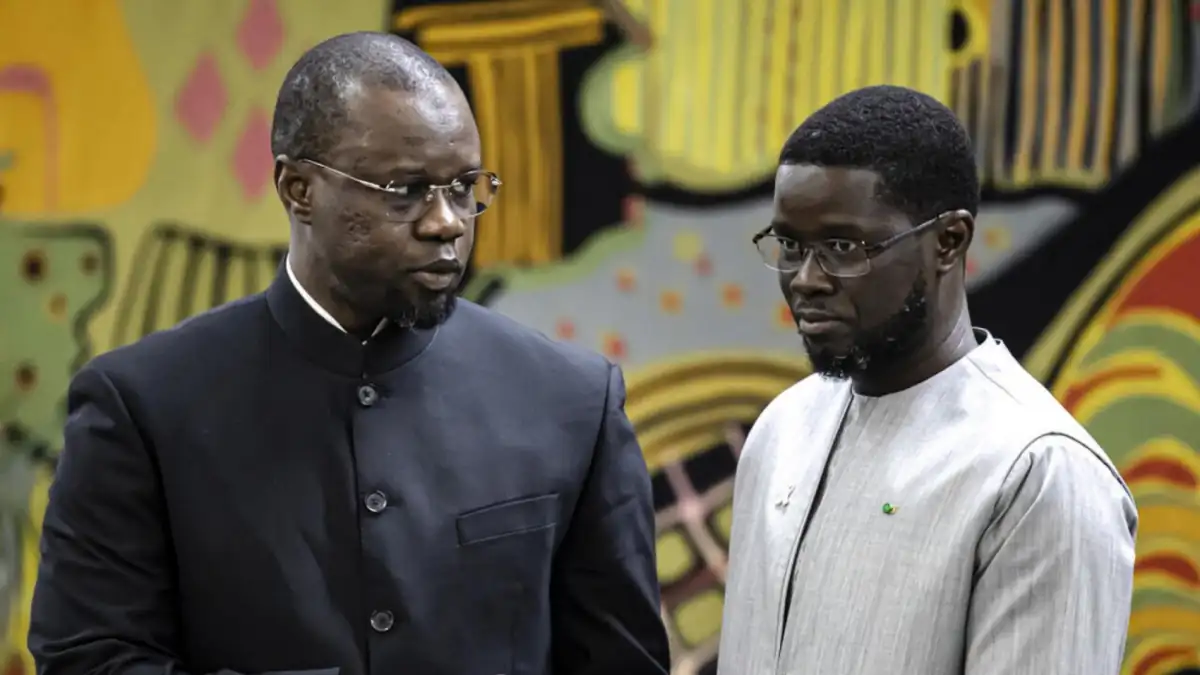
Senegal's National Assembly approved a constitutional reform on Monday, June 29, 2026, with a unanimous vote of 129 out of 129 deputies present. The session was contentious, marked by protests outside the parliament building and the expulsion of a legislator who refused to leave the tribune. A significant portion of the opposition boycotted the vote. The reform's passage occurred despite the heated atmosphere and the absence of dissenting voices from the legislative floor. Details regarding the specific nature of the constitutional reform and the reasons for the opposition's boycott were not fully elaborated in the provided text. The political climate surrounding this vote appears tense, with significant divisions evident between the ruling majority and opposition factions. Further information is needed to understand the full implications of this constitutional amendment for Senegal's governance and political landscape.
The unanimous adoption of a constitutional reform, despite a significant opposition boycott and external protests, highlights a potential divergence between legislative process and broader political consensus in Senegal. The procedural efficiency, with all present deputies voting in favor, may indicate strong executive or majority party control over the legislative agenda. However, the boycott and unrest suggest underlying political tensions that could impact the reform's legitimacy and long-term stability. Future governance will likely depend on how effectively the new constitutional framework addresses the concerns that led to the opposition's dissent and public demonstrations, particularly in the context of evolving democratic norms and potential shifts in power dynamics over the next decade.
AI-generated to prompt reflection — not editorial opinion, not advice, not a statement of fact. How this works.