Senegal Advances to World Cup Round of 16, Politics Intertwines with Sporting Success
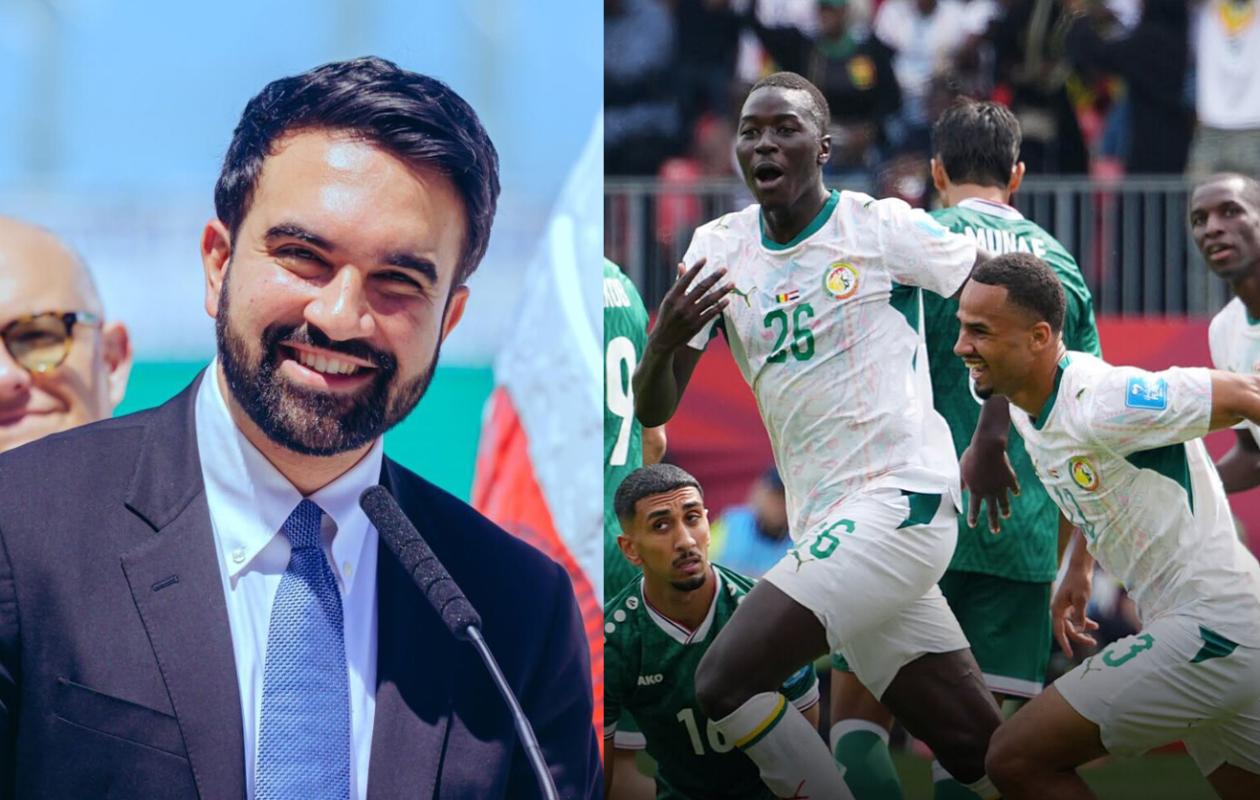
Senegal's qualification for the 2026 World Cup Round of 16 has transcended the purely sporting realm, igniting widespread enthusiasm that has reached international political circles. Notably, Zohran Mamdani, the Mayor of New York City, publicly expressed his delight in celebrating the Lions' performance. This achievement signifies more than just athletic prowess; it has become a focal point for national pride and international attention, drawing connections between sports and political engagement. The team's success is being celebrated not only by fans but also by public figures, highlighting the unifying power of major sporting events. The broader implications of this victory extend beyond the pitch, demonstrating how sports can serve as a platform for diplomatic and social commentary.
The intersection of national sporting achievements with political figures underscores the potent symbolic value of international competitions. Such events can serve as powerful tools for fostering national unity and projecting a positive image on the global stage. Political leaders engaging with these moments can leverage them to connect with constituents and demonstrate solidarity. However, it is crucial to maintain a clear distinction between sporting merit and political opportunism. The focus should remain on the athletes' dedication and skill, while acknowledging the broader societal impact and the potential for sports to bridge cultural and political divides. Looking ahead, the ability of national teams to capture global attention offers opportunities for soft diplomacy and cultural exchange, but also highlights the need for robust governance to ensure fair play and prevent undue political influence.
AI-generated to prompt reflection — not editorial opinion, not advice, not a statement of fact. How this works.