Senegal: Analyst Calls for Calm Discussion on Public Administration Absences
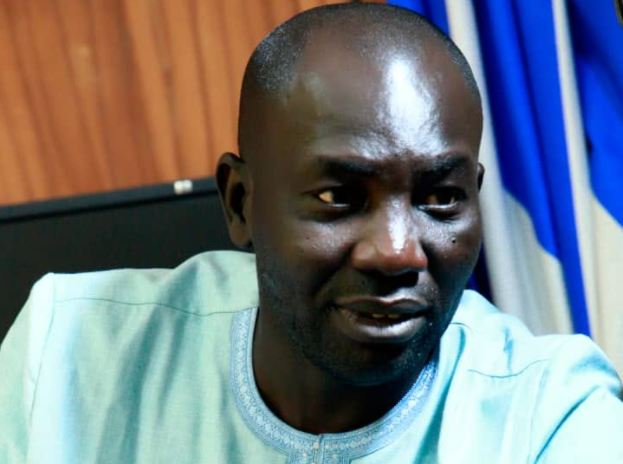
A controversy is ongoing in Senegal regarding absences within the public administration following the Grand Magal of Touba religious event. Thierno Diop, a journalist and political analyst, has responded to statements made by the Minister of Civil Service, Labor, and Public Service Reform, Mamadou Lamine Dianté. Diop believes that a profound reflection is necessary to address the issue, advocating for a calm and reasoned debate away from sensationalism. The ongoing debate highlights concerns about the functioning of public services and the adherence of civil servants to their duties, particularly after significant public gatherings. The Minister's initial remarks, which Diop is reacting to, likely addressed the extent and implications of these absences. Diop's call for a "serein" or serene debate suggests a desire to move beyond immediate accusations and foster a more constructive dialogue on accountability and public service management. The situation underscores a recurring tension between religious observances and the demands of public sector employment in Senegal.
The situation in Senegal concerning public administration absences post-Grand Magal of Touba presents a recurring governance challenge. It highlights the dynamic between cultural or religious practices and the operational requirements of a modern state. The call for a "serene debate" by analyst Thierno Diop suggests an attempt to de-escalate potential political tensions and foster a more rational approach to workforce management. This situation invites an examination of existing policies regarding leave, religious observances, and public service accountability. Future considerations might involve clarifying guidelines, exploring flexible work arrangements, or strengthening oversight mechanisms to ensure continuity of public services without unduly infringing on cultural or religious freedoms. The core issue revolves around balancing societal traditions with the functional needs of governance in the digital age.
AI-generated to prompt reflection — not editorial opinion, not advice, not a statement of fact. How this works.
