Senegal Battles Hepatitis B: Associations Call for Regional Healthcare Access
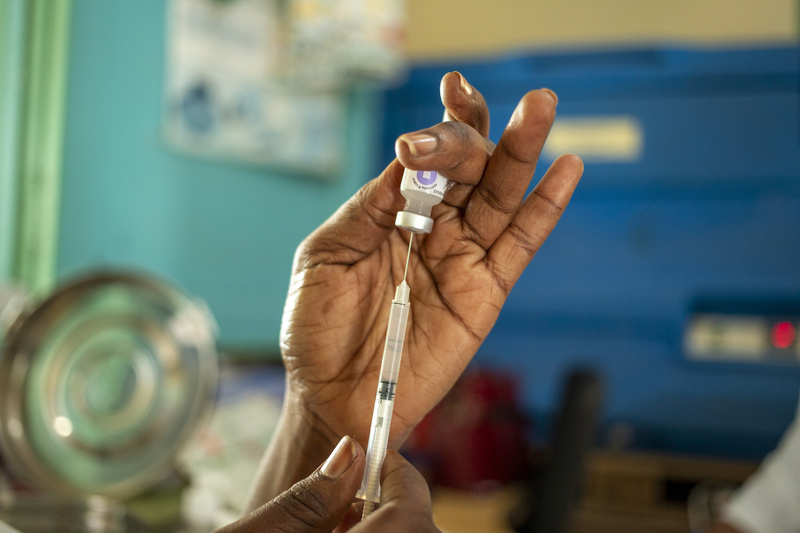
In Senegal, a significant 85% of the population has encountered the Hepatitis B virus, a silent and highly contagious infection that is more infectious than HIV. The nation is intensifying its efforts to eradicate Hepatitis B by the year 2030, though considerable challenges remain in achieving this goal. To bolster these efforts, various associations are advocating for the establishment of essential healthcare equipment across all regions of the country. This demand stems from the need to improve the management and care of individuals affected by hepatitis. Enhancing regional access to diagnostic and treatment facilities is seen as a critical step in overcoming the persistent obstacles to elimination.
Senegal's ambitious 2030 Hepatitis B elimination target faces the systemic challenge of equitable healthcare access, with 85% of the population having had prior exposure. The call for regional equipment highlights a potential disconnect between national health policy and on-the-ground implementation. Addressing this requires evaluating resource allocation models and identifying potential bottlenecks in the healthcare infrastructure. Future strategies should consider how technological advancements, such as telemedicine and decentralized testing, could bridge geographical disparities and strengthen community-level interventions, thereby supporting the long-term sustainability of public health goals in the face of endemic viral threats.
AI-generated to prompt reflection — not editorial opinion, not advice, not a statement of fact. How this works.