Senegal Breaks UN Consensus on HIV/AIDS Declaration Over Values
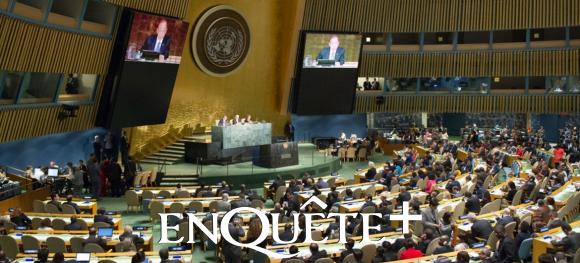
Senegal has officially broken with the international consensus on HIV/AIDS by voting against a United Nations declaration on the issue. The Senegalese government cited incompatibility with its national values as the primary reason for its opposition. This decision marks a significant departure from the global approach to combating the epidemic. The UN declaration typically aims to foster cooperation and shared strategies among member states to address the challenges posed by HIV/AIDS. Senegal's vote suggests a divergence in how it perceives the alignment of international health initiatives with its own cultural and societal norms. This move could potentially impact international partnerships and funding related to HIV/AIDS prevention and treatment within the country.
Senegal's divergence from the UN's HIV/AIDS consensus highlights a potential tension between global public health objectives and national value systems. This action may reflect differing interpretations of public health strategies and their societal implications, particularly concerning issues that intersect with cultural norms. From a governance perspective, such a stance could influence the country's engagement with international health organizations and the adoption of global best practices. It also raises questions about how future international agreements on sensitive health issues will be navigated, emphasizing the need for frameworks that accommodate diverse national contexts while ensuring progress on critical global health challenges.
AI-generated to prompt reflection — not editorial opinion, not advice, not a statement of fact. How this works.