Senegal Bushfires Destroy Nearly 6 Million Tons of Fodder, Causing $800 Million in Losses
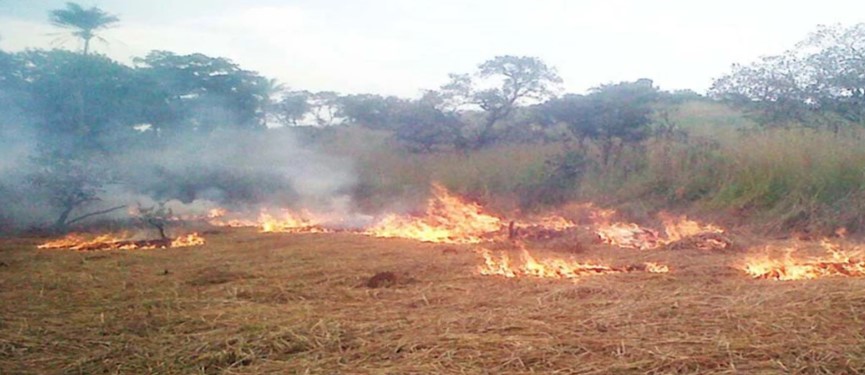
Senegal's Directorate of Water and Forests, Hunting, and Soil Conservation (DEFCCS) has reported dire consequences from the 2024-2025 bushfire prevention and control campaign. The fires have decimated nearly 6 million tons of herbaceous biomass, a critical resource for livestock. This destruction has resulted in substantial economic losses, estimated at 499 billion CFA francs. This figure is equivalent to approximately $800 million USD, highlighting the severe impact on the agricultural and pastoral sectors. The DEFCCS's findings underscore the ongoing challenges in managing and mitigating the effects of these annual fires. The extensive loss of fodder directly threatens the livelihoods of herders and farmers who depend on it for their animals. The economic repercussions extend beyond immediate agricultural losses, potentially affecting food security and rural development. Further analysis is needed to understand the long-term implications for Senegal's ecosystems and economy.
The extensive destruction of nearly 6 million tons of herbaceous biomass in Senegal due to bushfires represents a significant challenge to the nation's agricultural and pastoral economy. The reported losses of 499 billion CFA francs ($800 million USD) highlight the vulnerability of rural livelihoods to environmental factors and the effectiveness of current fire management strategies. This event underscores a systemic tension between land use practices, climate conditions, and the capacity for effective ecological and economic safeguards. Future resilience will likely depend on integrated approaches that combine improved land management, early warning systems, and community-based fire prevention initiatives, potentially leveraging technology to monitor and respond to fire risks more proactively. The long-term sustainability of pastoralism and agriculture in the region may necessitate adaptive strategies that account for increasing environmental pressures.
AI-generated to prompt reflection — not editorial opinion, not advice, not a statement of fact. How this works.