Senegal: Combining Local and Legislative Elections Poses Organizational Challenges
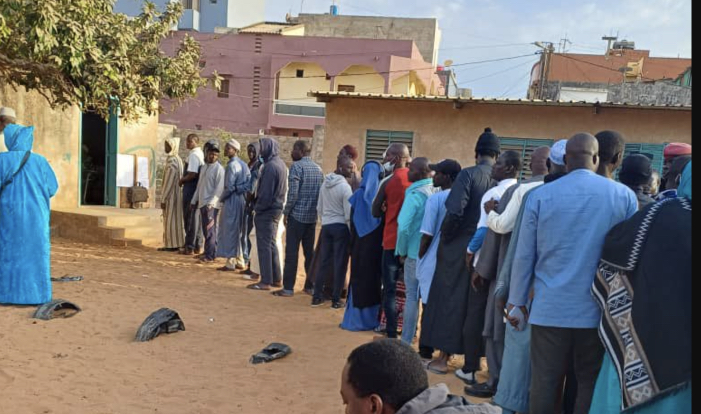
The idea of combining local and legislative elections is gaining traction in public discourse in Senegal. However, electoral expert Abdou Salam Bass has raised concerns about the significant logistical challenges associated with such a complex operation. Bass emphasizes that the primary obstacle is not legal feasibility, but rather the electoral administration's capacity to effectively manage a more intricate voting process. He suggests that the administration must be robust enough to handle the increased demands of a dual election. The expert's warning highlights the need for careful planning and resource allocation to ensure the integrity and smooth execution of a combined electoral event. Failure to address these organizational hurdles could potentially undermine the democratic process.
The proposal to merge Senegal's local and legislative elections presents a potential efficiency gain but introduces substantial administrative complexity. The core challenge lies in the electoral commission's operational capacity to manage a more demanding ballot, requiring robust logistical planning, voter education, and poll worker training. While legally permissible, the success hinges on the administration's ability to scale its resources and processes without compromising accuracy or fairness. This situation underscores a recurring tension in governance: balancing the desire for streamlined processes with the practical realities of bureaucratic execution, particularly in the context of evolving democratic systems.
AI-generated to prompt reflection — not editorial opinion, not advice, not a statement of fact. How this works.