Senegal: Constitutional Revision Sparks Debate Over Referendum
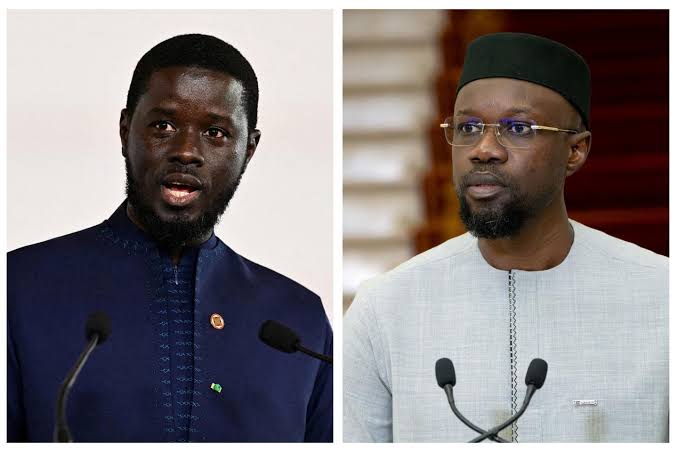
A political standoff is intensifying in Senegal following the National Assembly's vote on a constitutional revision on Monday. Ousmane Sonko, the President of the National Assembly, has urged President Bassirou Diomaye Faye to promulgate the law without a referendum. Sonko cited a precedent from the Constitutional Council to support his request. The move comes after the Assembly approved the constitutional revision, a significant legislative development in the country. The debate centers on whether the approved changes require a public vote or can be enacted directly by the president. This situation highlights ongoing political dynamics and legal interpretations within Senegal's governance framework. The outcome of this dispute could set important precedents for future constitutional matters and the balance of power between legislative and executive branches.
The political maneuvering surrounding Senegal's constitutional revision highlights the interplay between legislative intent and executive promulgation. Ousmane Sonko's invocation of Constitutional Council jurisprudence suggests an effort to leverage established legal interpretations to expedite the process, potentially bypassing a referendum. This approach raises questions about the balance of power and the role of popular consultation in constitutional amendments. Future constitutional reforms will likely be influenced by how this particular instance is resolved, impacting the perceived legitimacy and democratic depth of such changes. The situation underscores the importance of clear constitutional guidelines and robust institutional checks and balances in managing significant legal and political transitions.
AI-generated to prompt reflection — not editorial opinion, not advice, not a statement of fact. How this works.