Senegal: Contaminated Rice Imported from Thailand, Not Domestic Production
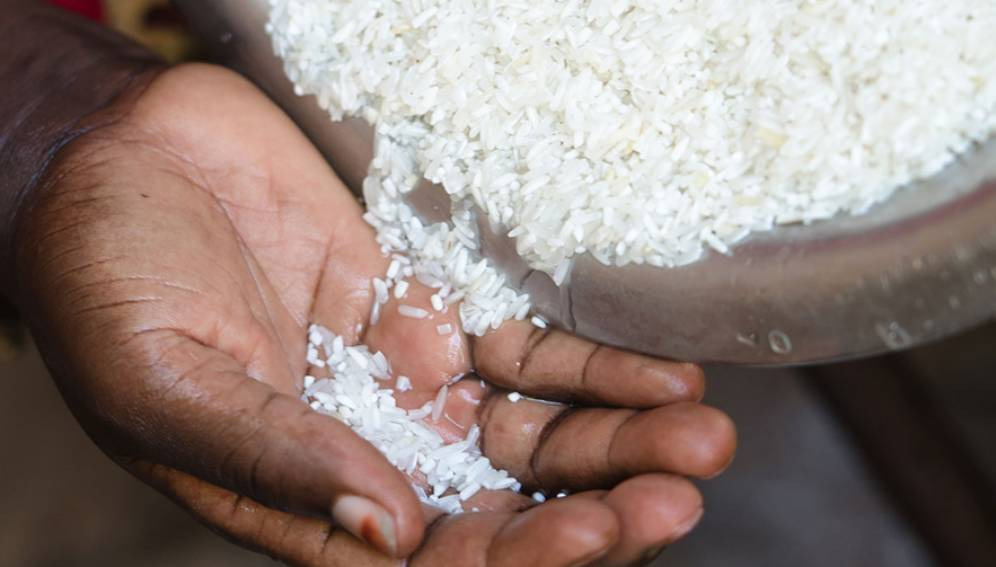
Babacar Beye, representing the Italian Trade Agency (ITA), has clarified that samples of rice found to be contaminated with aflatoxin did not originate from Senegal. Instead, he stated that the affected rice was imported from Thailand. Beye raised concerns regarding the absence of national standards for food safety in Senegal. He also highlighted a critical characteristic of the aflatoxin contamination: the toxin's resistance to cooking, meaning standard food preparation methods do not eliminate the risk. This information is crucial for public health and trade regulations, indicating a need for enhanced import controls and potentially domestic policy development.
This situation highlights the critical importance of robust import inspection protocols and the establishment of clear national food safety standards. The contamination originating from Thailand suggests potential gaps in international supply chain oversight or specific production issues within the exporting country. Aflatoxin's resistance to heat underscores the complexity of food safety challenges, as common domestic preparation methods offer no protection. Senegal's authorities face the dual challenge of ensuring imported food safety and potentially developing domestic regulatory frameworks to prevent future occurrences, balancing public health imperatives with trade facilitation.
AI-generated to prompt reflection — not editorial opinion, not advice, not a statement of fact. How this works.