Senegal Demands Justice and Reparations for Thiaroye Massacre
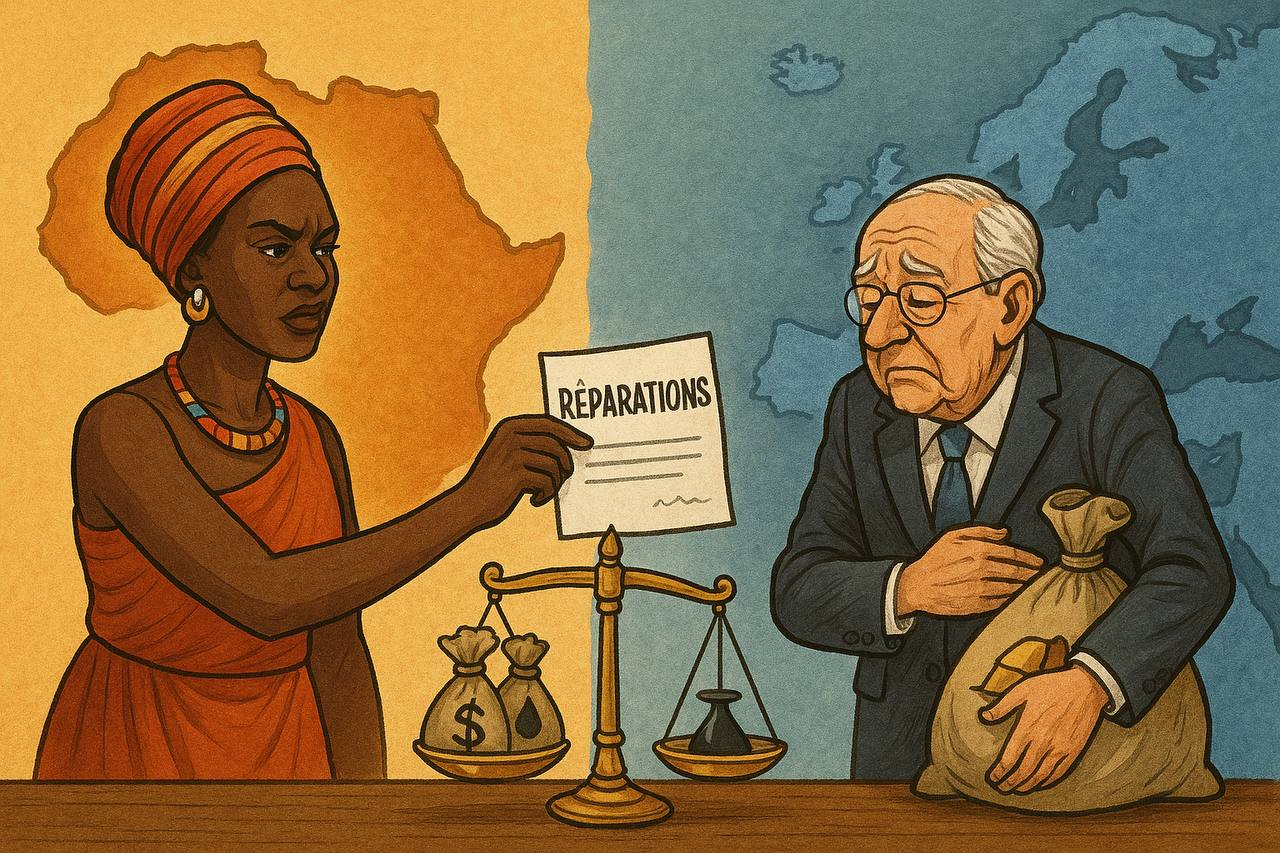
More than eighty years after the tragic events at the Thiaroye camp, the wounds remain deep. The massacre of Senegalese riflemen by the French army on December 1, 1944, continues to be a dark chapter in the shared history between France and Africa. While Paris has officially acknowledged the reality of the massacre, significant ambiguities and insufficient reparations persist.
The Senegalese community is intensifying its quest for justice and reparations for the victims and their families. The events of December 1, 1944, involved the killing of Senegalese soldiers who had served in the French army during World War II. These soldiers were protesting against discriminatory pay and conditions, and their protest was met with brutal force by the French military.
Despite France's official recognition of the massacre, the lack of comprehensive reparations and the lingering questions surrounding the event have fueled ongoing demands. Activists and descendants of the victims are calling for greater accountability and meaningful redress from the French government. The ongoing struggle highlights the complex legacy of colonialism and the persistent need for historical truth and reconciliation.
The persistent demands for justice and reparations concerning the Thiaroye massacre underscore the enduring impact of colonial-era violence and systemic discrimination. While France has acknowledged the event, the gap between recognition and substantive redress points to challenges in confronting historical injustices and their material consequences. This situation reflects broader global discussions on decolonization, historical memory, and the responsibility of former colonial powers to provide reparations for past harms. Moving forward, addressing such historical grievances requires not only acknowledgment but also concrete actions that promote reconciliation and prevent the recurrence of similar state-sanctioned violence, considering the evolving geopolitical landscape and international norms around human rights and historical accountability.
AI-generated to prompt reflection — not editorial opinion, not advice, not a statement of fact. How this works.