Senegal Denies Widespread Rice Contamination, Cites Codex Standards
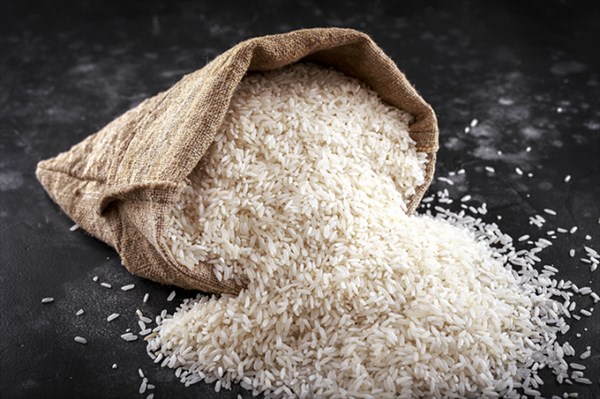
The Senegalese government has officially denied claims of widespread rice contamination by aflatoxins. An investigation involving 200 rice samples was conducted, and the results indicated a maximum aflatoxin level of 18.6 µg/kg. This level is in compliance with the established Codex Alimentarius standards for food safety. The government emphasized that these findings have no connection to local rice production. The announcement aims to reassure the public and maintain confidence in the national food supply and regulatory oversight.
The Senegalese government's swift response and adherence to international standards like Codex Alimentarius suggest a commitment to transparent food safety practices. By publicly addressing and refuting contamination claims with scientific data from a sample study, the authorities are likely aiming to prevent public panic and protect the integrity of the rice market, both domestically and internationally. This proactive stance, supported by regulatory compliance, can foster consumer trust and mitigate potential economic repercussions from unsubstantiated fears. The focus on scientific norms rather than speculation underscores the importance of evidence-based policy in managing public health concerns.
AI-generated to prompt reflection — not editorial opinion, not advice, not a statement of fact. How this works.