Senegal: Executive opposes proposed return to 7-year presidential term
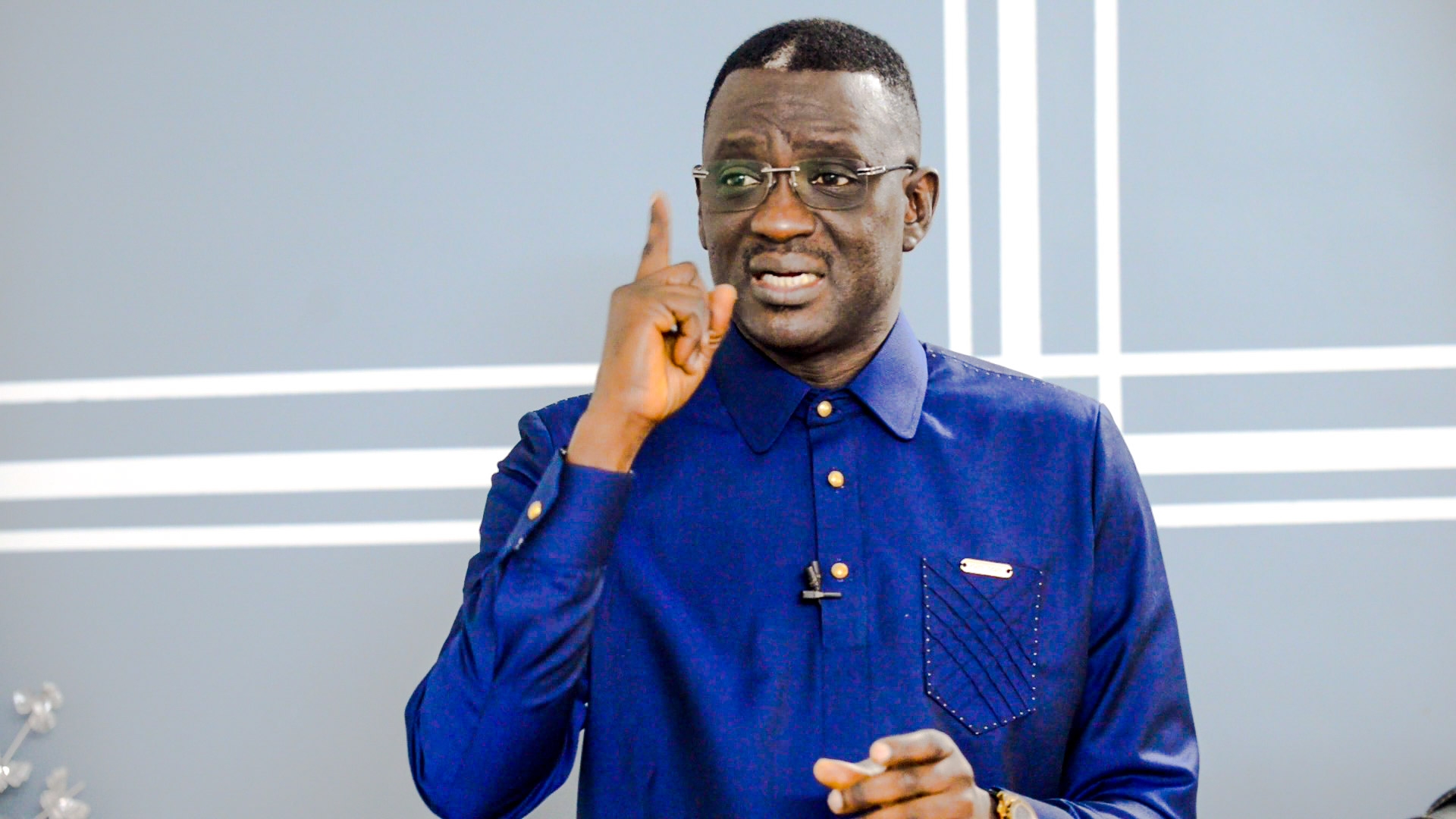
A proposal to reinstate a seven-year presidential term in Senegal has sparked significant opposition. Moundiaye Cissé, the executive director of the Collective of Civil Society Organizations for Elections (COSCE), has strongly rejected the idea, calling it an insult to Senegalese citizens. The proposal originated from cadres within the "Kiiraay" movement, who are advocating for a referendum to bring back the seven-year mandate. This debate continues to generate widespread reactions across the country. Cissé's firm stance highlights a deep division regarding the country's presidential term limits and democratic processes. The COSCE represents a significant segment of civil society, making its opposition a notable development in the ongoing political discourse.
The debate over presidential term lengths in Senegal touches upon fundamental questions of democratic stability and governance. While proponents may argue for a seven-year term as a means to ensure continuity and long-term planning, critics often view such extensions as a potential pathway to entrenching power and undermining democratic accountability. The opposition from civil society groups like COSCE suggests a concern that altering term limits could weaken democratic institutions and disenfranchise the electorate. Examining this issue through the lens of future governance, it is crucial to consider how institutional designs impact political stability, citizen trust, and the prevention of authoritarian drift in the evolving political landscape.
AI-generated to prompt reflection — not editorial opinion, not advice, not a statement of fact. How this works.