Senegal: Five Years Sufficient for Presidential Term to Build Development Foundations, Says Cheikhou Oumar Sy
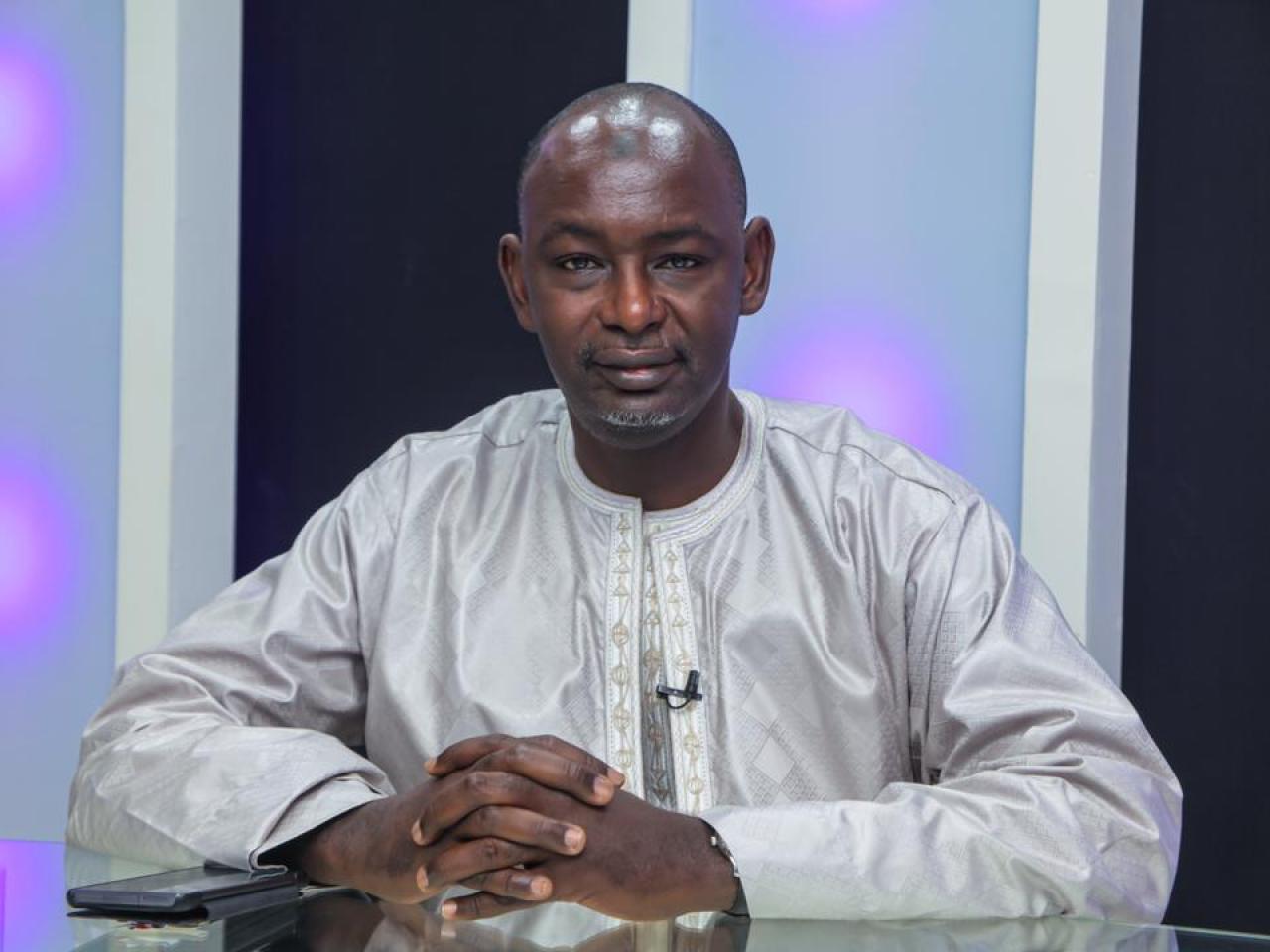
Cheikhou Oumar Sy, president of OSIDEA, has weighed in on the ongoing debate regarding the length of presidential terms in Senegal. Sy believes that a five-year term is adequate to establish a strong foundation for development. He emphasizes that this timeframe is sufficient, provided that the focus is strategically placed on human capital and education. His perspective suggests that effective governance and targeted investment in these key areas can yield significant progress within a single presidential mandate. This viewpoint offers a specific proposal within the broader discussion about presidential term limits and their impact on national development strategies.
The assertion that a five-year presidential term is sufficient for laying development groundwork, contingent on prioritizing human capital and education, highlights a potential tension between political cycles and long-term developmental needs. This perspective frames development as achievable through focused policy implementation rather than extended executive tenure. It invites consideration of governance efficiency and the strategic allocation of resources within fixed political mandates. The underlying incentive structure for leaders under such a model would be to demonstrate tangible progress within their term, potentially fostering accountability. However, the long-term nature of human capital development may also present a challenge, as its full benefits might not be realized within a single five-year period, raising questions about intergenerational policy continuity.
AI-generated to prompt reflection — not editorial opinion, not advice, not a statement of fact. How this works.
