Senegal Hosts 5th Codex Scientific Day, Prioritizing Food Safety Through Science
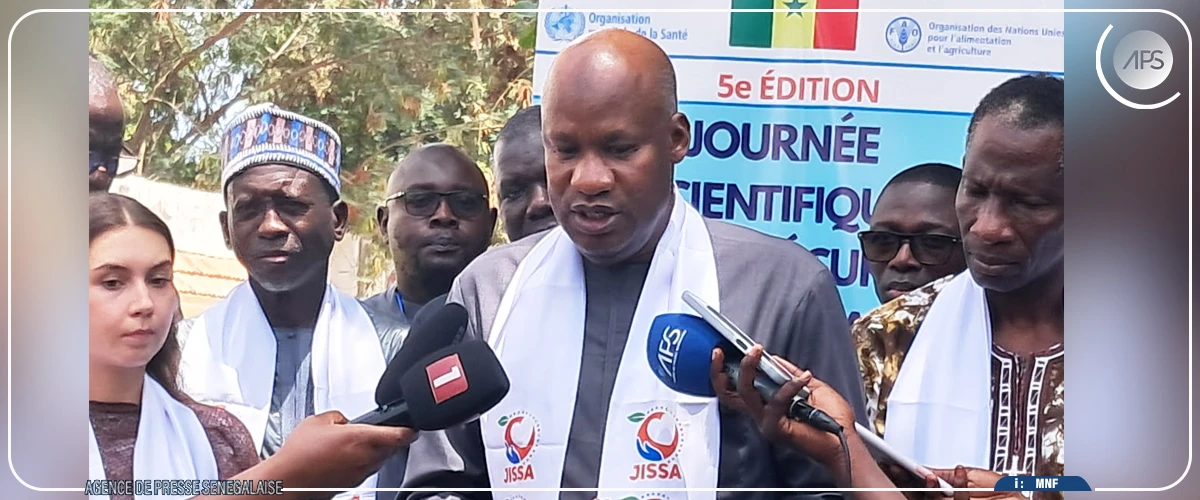
Senegal is hosting the 5th Codex Scientific Day, emphasizing its commitment to developing a modern and inclusive food safety system. The event underscores the nation's dedication to leveraging scientific advancements to ensure the safety of its food supply. This initiative aligns with global concerns regarding foodborne illnesses. The Food and Agriculture Organization of the United Nations (FAO) has highlighted the significant scale of this issue, reporting an estimated 866 million cases of foodborne diseases annually worldwide. The Senegalese Minister of Health reiterated the country's resolve to bolster its food safety infrastructure and practices. The focus on science is intended to create a more robust and reliable framework for protecting public health from contaminated food products. This scientific approach aims to address the challenges posed by evolving food production and distribution systems.
The event highlights Senegal's strategic focus on scientific methodologies to enhance food safety, a critical component of public health and economic stability. By aligning with international standards like those of the Codex Alimentarius Commission, Senegal signals its intent to integrate into global food trade networks while safeguarding its population. The FAO's stark figures on foodborne illnesses underscore the systemic risks inherent in food supply chains, prompting a need for proactive, science-based regulatory frameworks. Senegal's approach suggests an understanding that robust food safety governance is not merely a regulatory burden but a driver of consumer confidence and market access, particularly in the context of increasing global food system complexity and the potential impacts of climate change on agriculture.
AI-generated to prompt reflection — not editorial opinion, not advice, not a statement of fact. How this works.