Senegal Launches Field Survey on Dangerous Pesticides in Three Regions
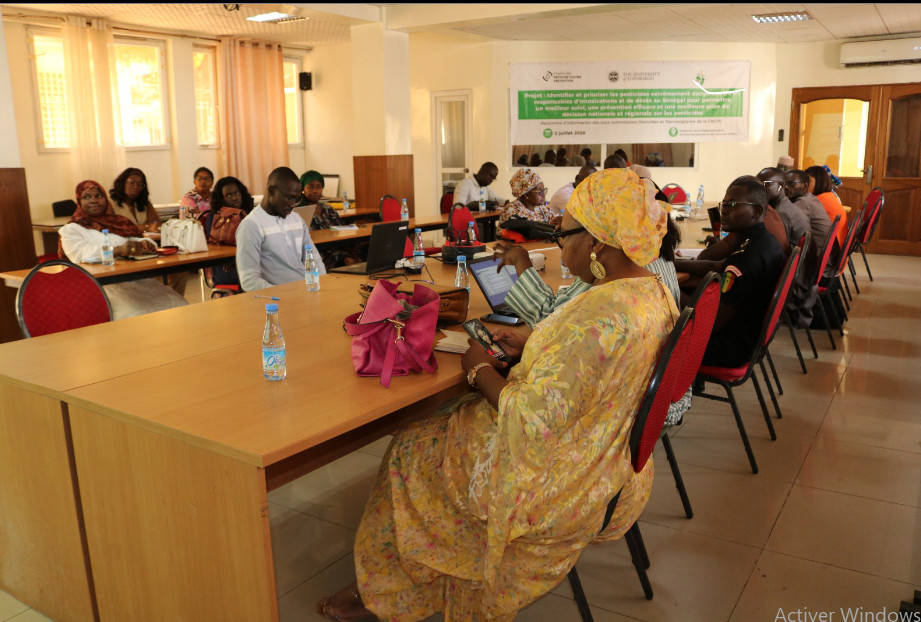
A field investigation into dangerous pesticides has commenced in three key areas of Senegal: the Niayes, the North, and the Southeast. The primary objective of this survey is to map intoxications resulting from pesticide exposure. This initiative follows a previous study that uncovered a concerning level of contamination, with 72% of soil samples found to be affected. The investigation aims to provide a clearer picture of the extent of the problem and its impact on public health and the environment within these regions. By identifying specific areas and patterns of intoxication, authorities hope to implement targeted interventions and mitigation strategies. The findings are expected to inform policy decisions regarding pesticide use and regulation in Senegal.
This investigation into pesticide contamination in Senegal addresses a critical public health and environmental issue, highlighted by a significant soil contamination rate of 72%. By mapping intoxications, the initiative seeks to quantify the human impact of agricultural chemical use. The focus on specific regions suggests a targeted approach to understanding localized risks. Moving forward, it will be crucial to analyze the correlation between soil contamination, pesticide application practices, and reported intoxications. Understanding the economic incentives driving current pesticide use versus the long-term costs of environmental degradation and public health crises will be key to developing sustainable agricultural policies. This effort could inform regulatory frameworks and promote safer alternatives, aligning agricultural productivity with ecological and human well-being in the coming decade.
AI-generated to prompt reflection — not editorial opinion, not advice, not a statement of fact. How this works.