Senegal Ministers Inaugurate New Educational Facilities at USSEIN University
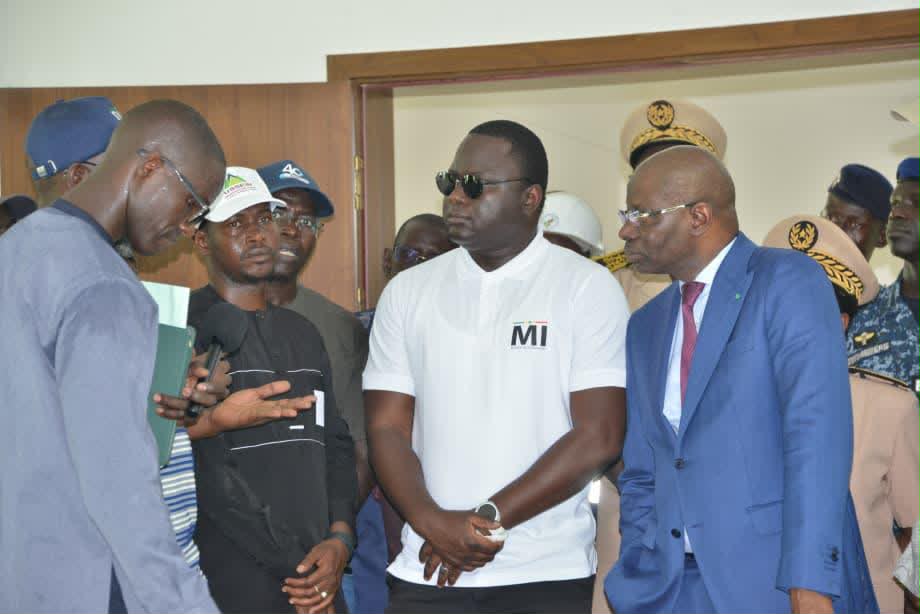
Senegalese Ministers Déthié Fall of Infrastructure and Boubacar Cambara of Higher Education officially received new educational facilities at the Université Sine Saloum El Hadji Ibrahima Niass (USSEIN) in Fatick on Monday. This handover signifies a crucial advancement in the ongoing development of the university. Minister Fall highlighted the completion of these projects as a key step forward for the institution. The reception of these pedagogical infrastructures is expected to enhance the learning environment and support the expansion of academic programs at USSEIN. The event underscores the government's commitment to improving higher education infrastructure across the country. This development is anticipated to benefit students and faculty by providing modern and adequate facilities for teaching and research. The university, named after El Hadji Ibrahima Niass, plays a significant role in higher education in the Sine Saloum region. The successful completion and reception of these facilities are a testament to collaborative efforts between the ministries and the university administration. Further details on the specific types and scope of the inaugurated infrastructures were not provided in the initial report.
The inauguration of new educational infrastructure at USSEIN University by government ministers represents a tangible investment in Senegal's higher education sector. This development aligns with broader national goals of enhancing educational access and quality, potentially boosting the region's human capital and economic prospects. From a systems perspective, such infrastructure projects are critical for fostering innovation and research, which are vital for long-term societal progress. The successful completion of these facilities suggests effective project management and inter-ministerial coordination, though sustained operational funding and pedagogical strategy will be key determinants of their ultimate impact over the next decade. Evaluating the long-term efficacy will require monitoring student outcomes, research output, and the university's integration into the broader knowledge economy.
AI-generated to prompt reflection — not editorial opinion, not advice, not a statement of fact. How this works.