Senegal Needs Reform Implementation, Not More Dialogue, Says Analyst
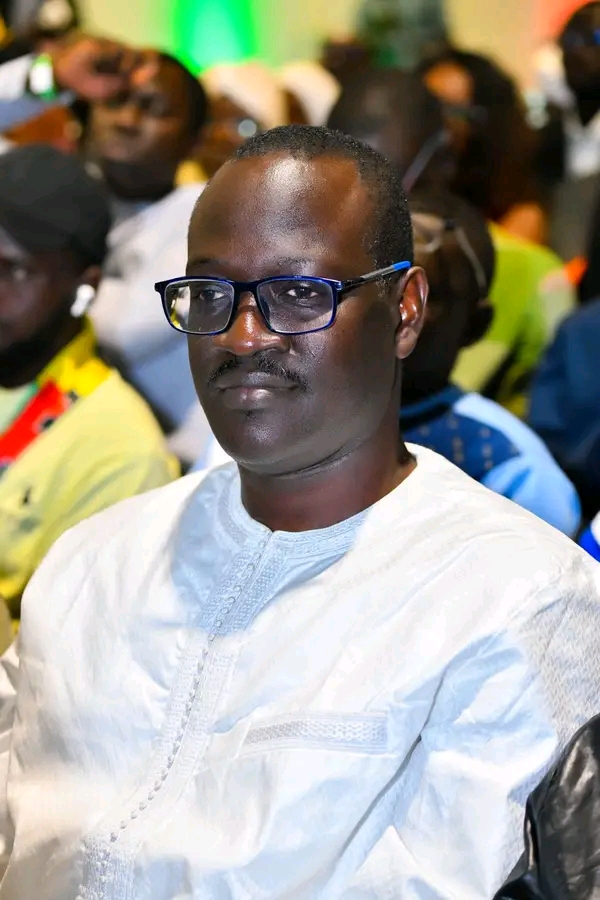
Alioune Badara Mboup, a prominent figure, has stated that Senegal does not require another dialogue session, emphasizing that the nation's pressing need is for the state to finally implement reforms that have already been extensively discussed. For over six decades, Senegal has been caught in a cycle of repeated discussions, including seminars, conferences, workshops, consultations, national dialogues, commissions, and reports. Mboup asserts that all necessary diagnoses and recommendations have been made, citing conclusions from various initiatives such as the National Assizes, the CNRI, and the Justice Assizes. However, the crucial element of applying these agreed-upon decisions has been consistently overlooked. The country possesses a wealth of debated reforms and diagnostic reports, yet the practical application of these findings remains elusive, hindering progress.
Senegal's recurring pattern of extensive consultations followed by a lack of implementation suggests a potential disconnect between policy formulation and execution. This cycle may stem from various factors, including institutional inertia, competing political interests, or a lack of robust accountability mechanisms. In the context of the coming decade, characterized by rapid technological and societal shifts, the ability of a state to translate discussions into concrete actions will be paramount for effective governance and development. Moving forward, a focus on establishing clear implementation pathways, assigning responsibilities, and creating transparent monitoring systems could be crucial for breaking this cycle and ensuring that national dialogues translate into tangible progress for the country.
AI-generated to prompt reflection — not editorial opinion, not advice, not a statement of fact. How this works.