Senegal President Faye Submits Evidence Against Sonko's Constitutional Law
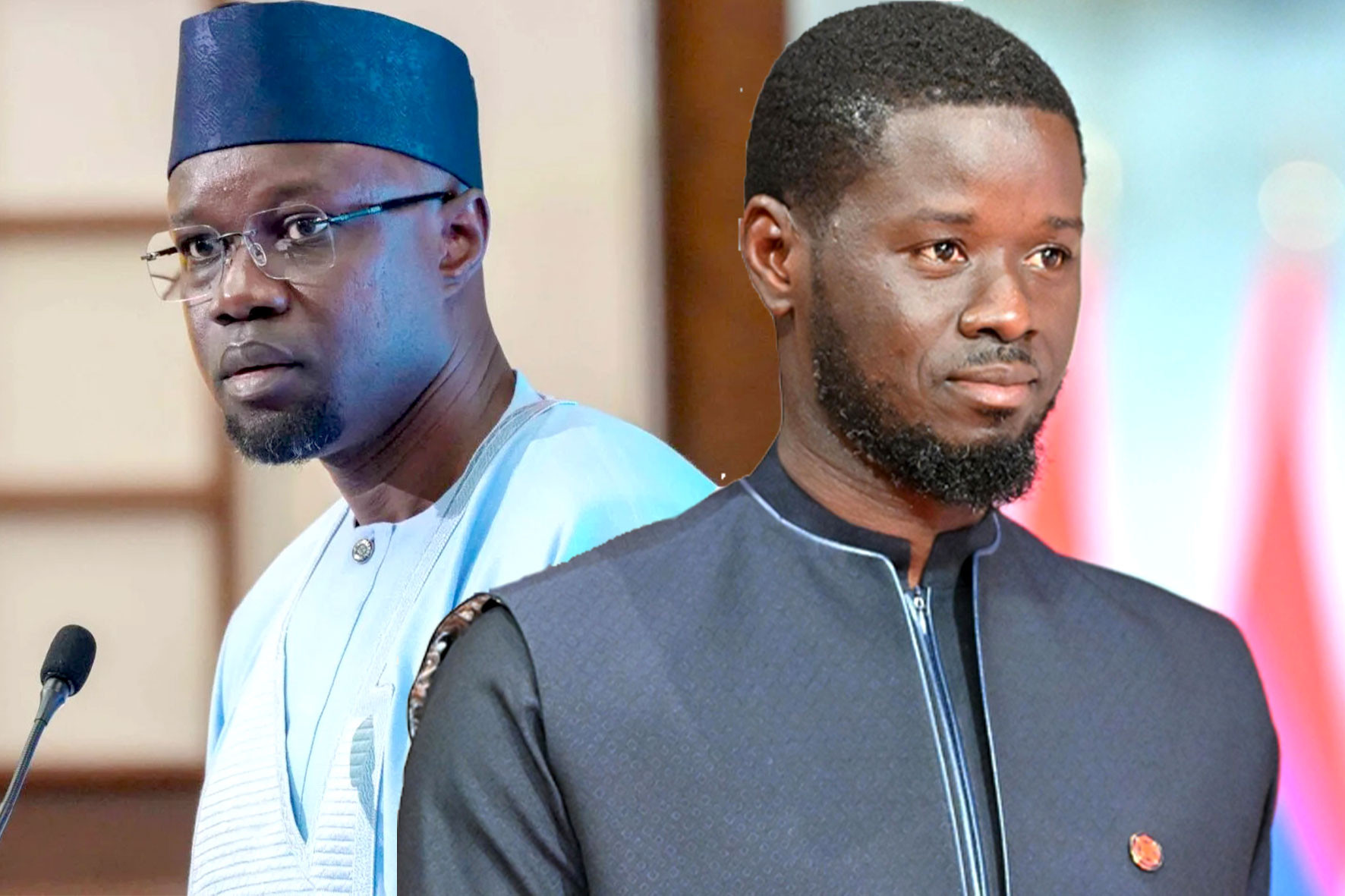
Senegal is experiencing an unprecedented institutional conflict between President Bassirou Diomaye Faye and Ousmane Sonko, the President of the National Assembly. The two leaders, formerly mentor and mentee, have reached a point of no return following a vote on a proposed constitutional revision law. President Faye has reportedly submitted explosive evidence to the Constitutional Council aimed at challenging the law proposed by Sonko. This legal and political battle signifies a deep institutional divide within the country. The nation is holding its breath as this high-stakes confrontation unfolds. The specifics of the evidence and the exact nature of the constitutional revision law have not been fully detailed, but the situation points to a significant power struggle. The outcome of the Constitutional Council's review will likely have profound implications for Senegal's political landscape and the balance of power between its key institutions. This institutional warfare is characterized by its intensity and the high stakes involved for the nation's governance.
This situation highlights a critical juncture in Senegal's governance, where institutional checks and balances are being tested amidst a severe political schism. The conflict between the President and the Speaker of the National Assembly, former allies, suggests a fundamental divergence in political strategy or a power struggle for control over the nation's constitutional framework. The involvement of the Constitutional Council indicates a reliance on legal mechanisms to resolve political disputes, a potentially stabilizing factor if the process is transparent and impartial. However, the "explosive" nature of the evidence implies a high degree of contention, raising questions about the underlying incentives driving this institutional friction. Future governance will depend on how effectively Senegal's institutions can navigate this internal conflict, ensuring that constitutional integrity is upheld while fostering political stability and public trust in the long term.
AI-generated to prompt reflection — not editorial opinion, not advice, not a statement of fact. How this works.