Senegal's 7.9% Growth Driven by Hydrocarbons and Agriculture, but Debt Remains a Concern
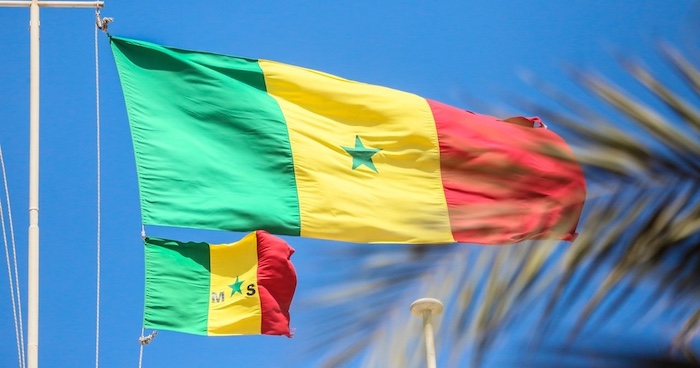
Senegal achieved a remarkable 7.9% economic growth in 2025, marking it as the highest in West Africa. This significant performance was primarily fueled by the booming hydrocarbon and agricultural sectors. The data, reported by the African Development Bank (AfDB) and relayed by ndarinfo, highlights the country's economic dynamism.
Despite the strong growth figures, the report also issued cautionary notes regarding the nation's debt levels. The substantial economic expansion has raised concerns about the sustainability of Senegal's debt burden. Furthermore, the report anticipates a potential slowdown in economic activity in the near future, suggesting that the current growth trajectory may not be maintained without addressing underlying fiscal risks.
Senegal's robust economic growth, driven by resource extraction and agriculture, presents a classic development dilemma. While hydrocarbon revenues can offer immediate fiscal benefits, reliance on volatile commodity prices and the potential for Dutch disease pose long-term risks. The accompanying debt concerns suggest that the expansion may be financed unsustainably, potentially limiting future policy options. The anticipated slowdown indicates that structural diversification and prudent fiscal management are crucial to ensure sustained, inclusive growth beyond the current commodity cycle, especially as global economic conditions evolve.
AI-generated to prompt reflection — not editorial opinion, not advice, not a statement of fact. How this works.