Senegal's ANACIM Issues Heavy Rain and Thunderstorm Alert for Sunday
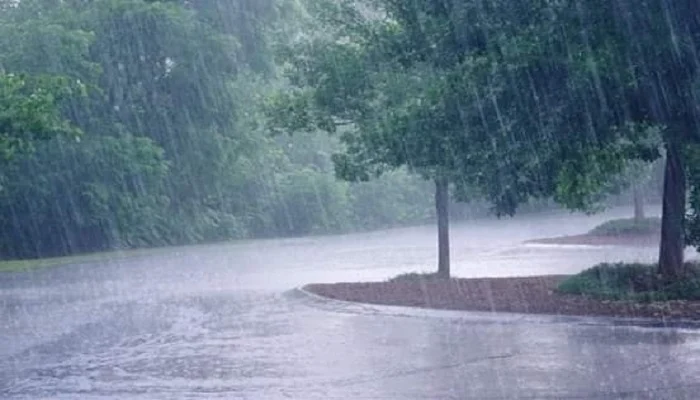
The National Civil Aviation and Meteorology Agency (ANACIM) of Senegal has issued a weather alert for Saturday, July 25th, through Sunday, July 26th, 2026. According to ANACIM's forecasts, significant rainfall and thunderstorms are anticipated across a substantial portion of the country starting this Saturday night. The agency has indicated specific vigilance levels for affected areas, though details on these levels were not fully provided in the source text. This alert covers a broad geographical scope within Senegal, signaling potential disruptions due to adverse weather conditions. Residents in the affected regions are advised to stay informed about the evolving weather situation. The forecast suggests a continuation of these conditions into Sunday, July 26th. ANACIM's role is crucial in providing timely meteorological information to ensure public safety and preparedness. The agency's proactive warning aims to mitigate risks associated with severe weather events.
The ANACIM's weather alert highlights the critical role of meteorological agencies in national preparedness for climate-related events. As climate patterns evolve, such forecasts become increasingly vital for infrastructure planning and public safety. The agency's issuance of a multi-day alert, specifying potential rainfall and thunderstorms, underscores the need for robust early warning systems. This proactive communication allows communities and authorities to implement mitigation strategies, thereby reducing vulnerability to extreme weather. The focus on specific vigilance levels, even if not fully detailed here, suggests a calibrated response framework. In the coming decade, enhanced predictive modeling and data integration will be key to refining these alerts, ensuring they are not only timely but also highly localized and actionable, thereby fostering greater resilience against unpredictable weather phenomena.
AI-generated to prompt reflection — not editorial opinion, not advice, not a statement of fact. How this works.