Senegal's Budget Stalemate Threatens 2026 Constitutional Referendum
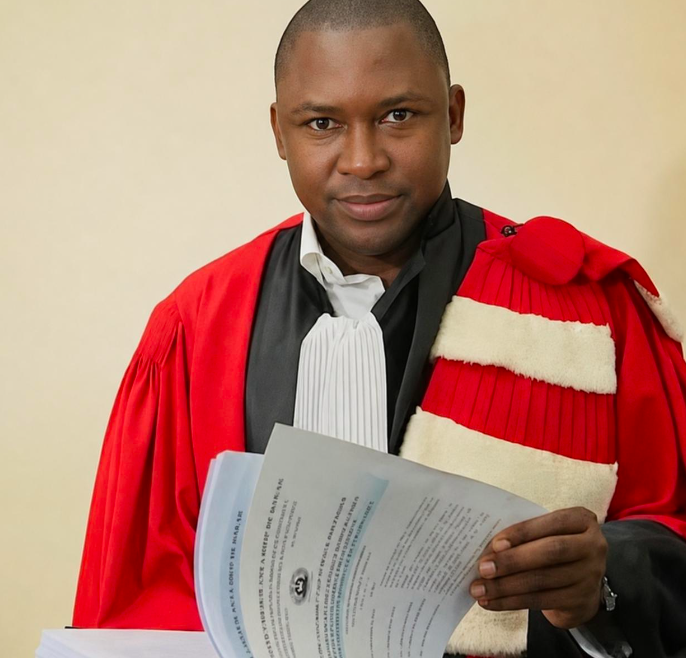
Dr. Cheikh Diallo, a jurist and political scientist, has analyzed the current cohabitation situation in Senegal. In an interview with Seneplus, he stated that the constitutional referendum scheduled for 2026 is unlikely to proceed. This is primarily due to a budgetary impasse created by the Parliament, which is currently dominated by the Pastef party. The Pastef party's control over the legislative body has led to a situation where budgetary approvals are being blocked. This obstruction has significant implications for the financing and execution of the planned 2026 referendum. Dr. Diallo's assessment highlights the challenges posed by political divisions in implementing key democratic processes. The inability to pass the budget directly impacts the resources needed for electoral exercises like a referendum. This situation underscores the complexities of power-sharing and governance during periods of cohabitation in Senegal.
The political dynamics in Senegal, characterized by parliamentary dominance by Pastef and its resulting budgetary blockades, present a critical governance challenge. This situation highlights a potential conflict between legislative oversight and the executive's capacity to implement its agenda, including constitutional reforms. The inability to secure budgetary approval for a referendum raises questions about the effectiveness of cohabitation as a governance model when legislative and executive branches are in deep opposition. Such impasses can undermine democratic processes by hindering necessary public consultations and reforms. Looking ahead, Senegal faces the imperative of establishing more robust mechanisms for inter-branch consensus-building to ensure the timely execution of democratic mandates and prevent future gridlock, especially in the context of evolving technological and societal demands.
AI-generated to prompt reflection — not editorial opinion, not advice, not a statement of fact. How this works.