Senegal's Constitutional Referendum Sparks Deep Debate on State-People Relationship
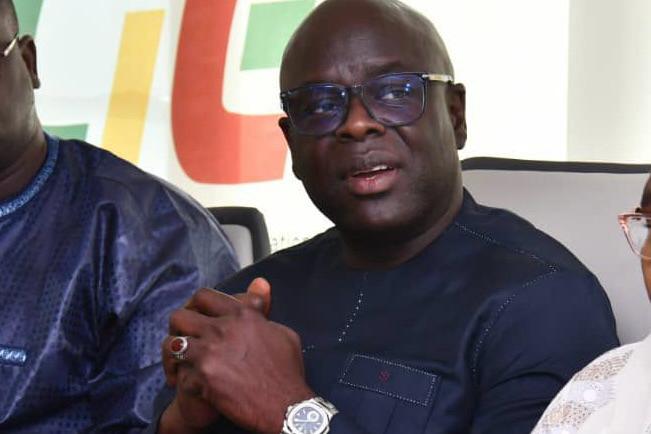
Current discussions surrounding the revision of Senegal's Constitution extend far beyond a mere examination of specific articles or parliamentary procedures. These debates are prompting a more profound reflection on the fundamental nature of a constitution and the essential bond between a populace and its state. A constitution is not simply a legal document; it represents the foundational framework that defines the relationship between citizens and their government. The ongoing deliberations highlight a critical juncture where the Senegalese people are being asked to consider the very essence of their constitutional order. This process invites a deeper understanding of how constitutional frameworks shape national identity and governance. The significance of this constitutional moment lies in its potential to redefine the social contract and the principles guiding the nation's future. The discussions underscore the importance of citizen engagement in shaping the fundamental laws of the land. Ultimately, the referendum process is framed as an opportunity for a more robust connection between the Senegalese people and their state, moving beyond procedural matters to address core principles of governance and national unity.
The Senegalese constitutional referendum discussions transcend procedural debates, touching upon the foundational relationship between the state and its citizens. This event offers a lens through which to examine how constitutional frameworks, often perceived as static legal texts, are dynamic instruments shaping national identity and governance. The current discourse highlights a critical juncture where the populace is invited to re-evaluate the social contract, potentially influencing the long-term trajectory of the nation's political and social systems. In the context of evolving global governance models and increasing demands for citizen participation, such referendums present both opportunities for democratic renewal and challenges in ensuring informed and equitable public deliberation. The outcome will likely reflect the evolving dynamics of state-society relations in Senegal and could serve as a case study for other nations navigating similar constitutional questions in the coming decade.
AI-generated to prompt reflection — not editorial opinion, not advice, not a statement of fact. How this works.