Senegal's Constitutional Revision Sparks Financial Transparency Debate
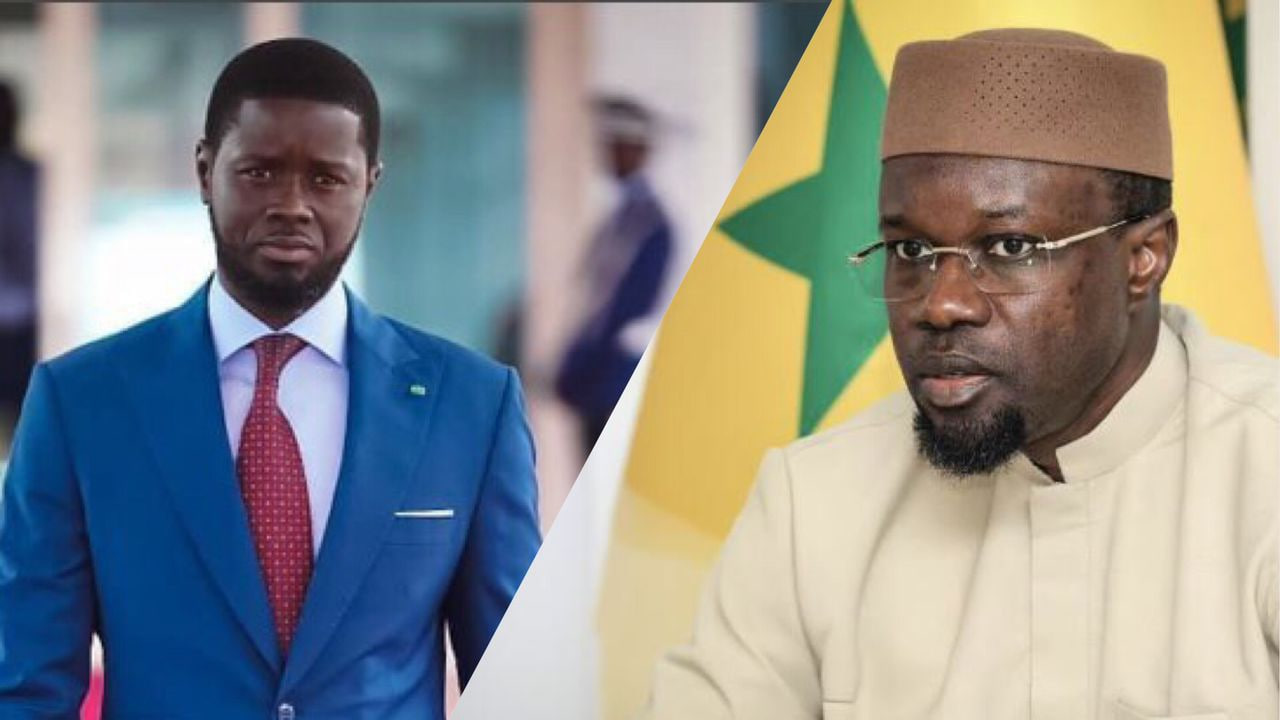
The National Assembly of Senegal, under the leadership of Ousmane Sonko, approved a draft constitutional revision on June 29th, paving the way for a national referendum. This reform, championed by the Pastef party and President Diomaye Faye, is presented as a means to bolster democracy and rebalance power among state institutions. However, the proposed changes have reignited discussions surrounding financial transparency within the country's governance structures. While the government frames the revision as a step towards greater accountability and democratic consolidation, critics and observers are raising concerns about the potential implications for financial oversight and the clarity of funding mechanisms for political actors and institutions. The debate highlights a recurring tension between institutional reform aimed at strengthening democracy and the need for robust financial transparency to ensure public trust and prevent corruption. The outcome of the referendum will likely shape the future landscape of Senegalese governance and its commitment to open financial practices.
The constitutional revision in Senegal, while ostensibly aimed at democratic strengthening and power rebalancing, introduces a critical juncture regarding financial transparency. The process of reform itself, particularly concerning the allocation and oversight of public funds, warrants careful examination. Future governance models must integrate robust financial disclosure mechanisms to safeguard against potential improprieties and foster public confidence. The interplay between political mandates and fiscal accountability will be a key determinant of Senegal's long-term institutional stability and its adherence to democratic principles in the coming decade.
AI-generated to prompt reflection — not editorial opinion, not advice, not a statement of fact. How this works.