Senegal's Deep Crisis: Debt, Predation, and Leadership Under Scrutiny
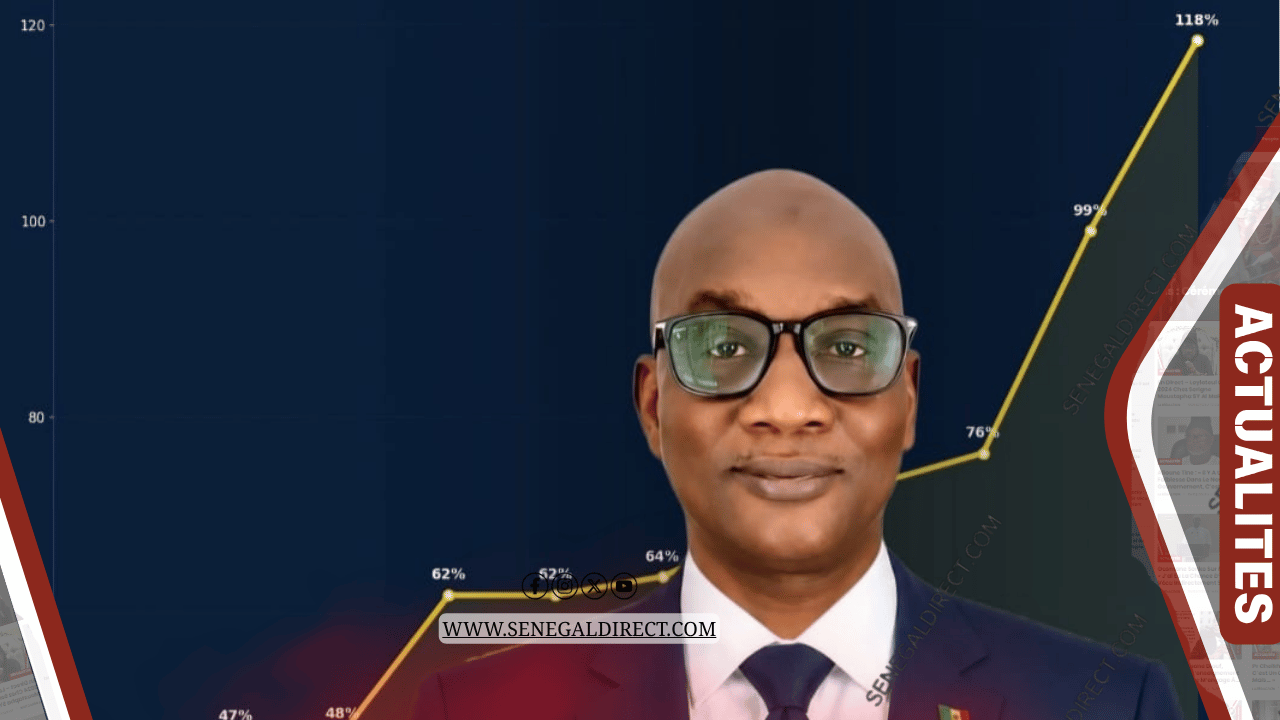
Senegal is facing a profound crisis that extends beyond the political tensions between Bassirou Diomaye Faye and Ousmane Sonko. Chronicler Tidiane Sall has analyzed the situation, highlighting a complex mix of leadership challenges, an unsustainable debt burden, and a legacy of predation as key factors contributing to the nation's difficulties. Sall's analysis suggests that these underlying issues are deeply intertwined with the current political landscape. The unsustainable debt poses a significant threat to Senegal's economic stability and future development. Furthermore, the historical patterns of predation, as identified by Sall, likely continue to impact resource allocation and governance. Addressing these multifaceted challenges will require comprehensive strategies that tackle both immediate political concerns and long-standing structural problems. The interplay between leadership, debt, and predation creates a formidable obstacle for Senegal's progress.
The analysis by Tidiane Sall points to systemic issues of unsustainable debt and historical predation as significant drivers of Senegal's current crisis, framing them as critical factors alongside political leadership dynamics. This perspective suggests that effective governance and economic recovery may hinge on addressing these deep-rooted structural challenges. Examining the incentive structures that perpetuate unsustainable debt and predatory practices is crucial for understanding the long-term implications for Senegal's development trajectory. Future policy interventions will likely need to balance immediate political imperatives with the necessity of reforming these underlying economic and governance systems to foster sustainable growth and equitable resource distribution.
AI-generated to prompt reflection — not editorial opinion, not advice, not a statement of fact. How this works.