Senegal's Football Federation Considered Hervé Renard as Coach Before World Cup
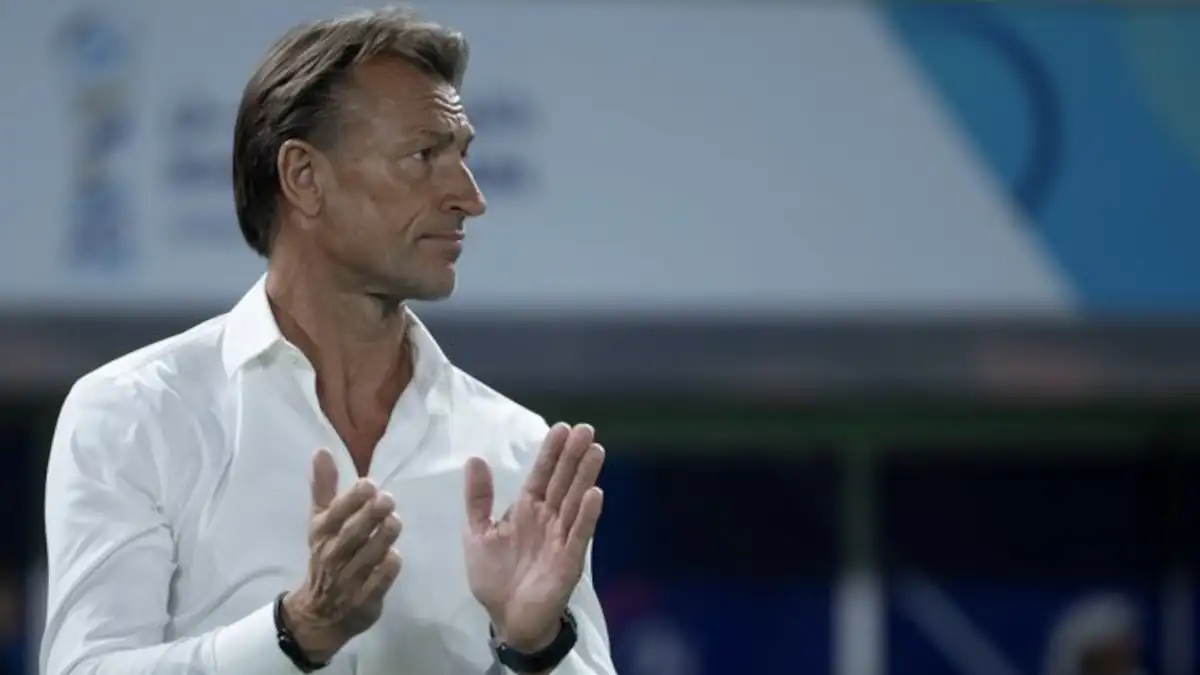
Senegal's national football team faced internal turmoil just before the World Cup, primarily concerning the contractual situation of their coach, Pape Thiaw. Sport News Africa reported that disagreements over unpaid wages and the finalization of his contract created instability. The situation was so precarious that the Senegalese Football Federation had reportedly considered Hervé Renard as a potential replacement if Thiaw had not ultimately been able to lead the team to the tournament. This internal friction highlights the challenges faced by the federation in managing its coaching staff and ensuring stability during critical periods. The details suggest a period of significant uncertainty regarding the team's leadership heading into a major international competition. The federation's contingency planning indicates a proactive approach to potential coaching vacancies, even if it involved a high-profile figure like Renard. Ultimately, the focus remained on securing Thiaw's position to maintain continuity.
The reported internal discussions within the Senegalese Football Federation regarding coaching stability prior to the World Cup reveal a common governance challenge in national sports organizations. Managing contract negotiations, salary arrears, and contingency planning for key personnel requires robust administrative processes. The consideration of a prominent figure like Hervé Renard, while a testament to strategic foresight, also underscores the potential pressures and high expectations placed on national teams. Future-proofing such federations involves not only securing top talent but also establishing transparent and timely financial and contractual frameworks to prevent disruptions and foster a stable environment conducive to athletic performance. This situation prompts reflection on the interplay between financial health, leadership continuity, and competitive success in international football.
AI-generated to prompt reflection — not editorial opinion, not advice, not a statement of fact. How this works.