Senegal's Hidden Debt: Moustapha Ndiaye Sarre's Firm Response
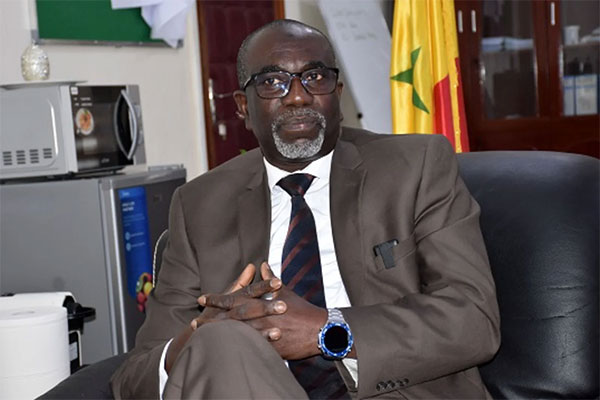
The article criticizes the Senegalese media's handling of the hidden debt issue, suggesting they lag behind the public's understanding. It implies that certain media outlets are struggling to grasp the complexities of the situation and are failing to keep pace with the evolving awareness of the Senegalese people. The piece expresses a sense of pity for these newsrooms, highlighting their perceived disconnect from the national consciousness regarding this significant financial matter. The author suggests a continuation of what they deem 'ridiculous' reporting, indicating a lack of depth or accuracy in the current media coverage. This commentary points to a broader dissatisfaction with how sensitive economic and political issues are being presented to the public.
The media's struggle to accurately report on complex financial matters like hidden debt can stem from various factors, including journalistic capacity, editorial pressures, or a disconnect with public sentiment. Objective reporting requires a deep understanding of fiscal mechanisms and their implications, which may necessitate specialized training or resources. The public's evolving awareness suggests a growing demand for transparency and accountability in financial governance. Future media strategies might benefit from investing in financial journalism expertise to better serve an informed citizenry and navigate complex economic narratives.
AI-generated to prompt reflection — not editorial opinion, not advice, not a statement of fact. How this works.