Senegal's ICS and Phosphates: From Sonko's Sovereignty Promise to Capitalist Adjustment
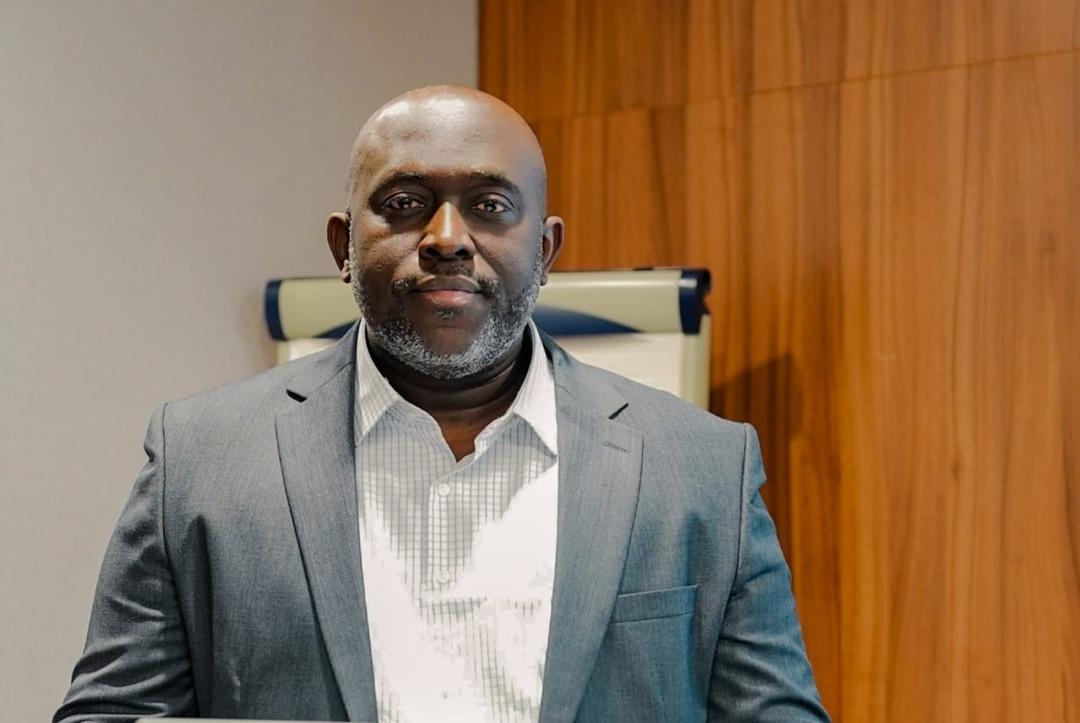
Senegal's Minister of Industry and Commerce, Serigne Guèye Diop, recently addressed the future of Industries Chimiques du Sénégal (ICS) and the potential for increased state participation in the company. This discussion brings the strategic importance of ICS back into focus. The minister's remarks suggest a shift from the initial vision of national sovereignty over these resources, as previously articulated by Ousmane Sonko, towards a more pragmatic capitalist adjustment. The implications of this potential state investment in ICS, a key player in the phosphate sector, are significant for Senegal's economic strategy. The government's approach appears to be evolving, balancing national interests with the realities of capital investment and corporate governance in a strategic industry. Further details on the proposed capital adjustments and their long-term effects are anticipated.
The discourse surrounding state participation in Industries Chimiques du Sénégal (ICS) highlights a common tension between national sovereignty aspirations and the practicalities of capital investment in strategic industries. While the initial rhetoric may emphasize control and self-sufficiency, the eventual approach often involves navigating complex financial structures and market dynamics. This situation prompts consideration of how Senegal can best leverage its natural resources, like phosphates, to foster sustainable economic development. The challenge lies in balancing state oversight with the need for efficient operations and capital infusion, potentially through partnerships or market-based mechanisms. Examining the long-term implications of such capital adjustments on industrial competitiveness and national economic benefit will be crucial in the coming decade.
AI-generated to prompt reflection — not editorial opinion, not advice, not a statement of fact. How this works.