Senegal's Krépin Diatta Reflects on World Cup Exit: 'Football Isn't Just Played on the Field'
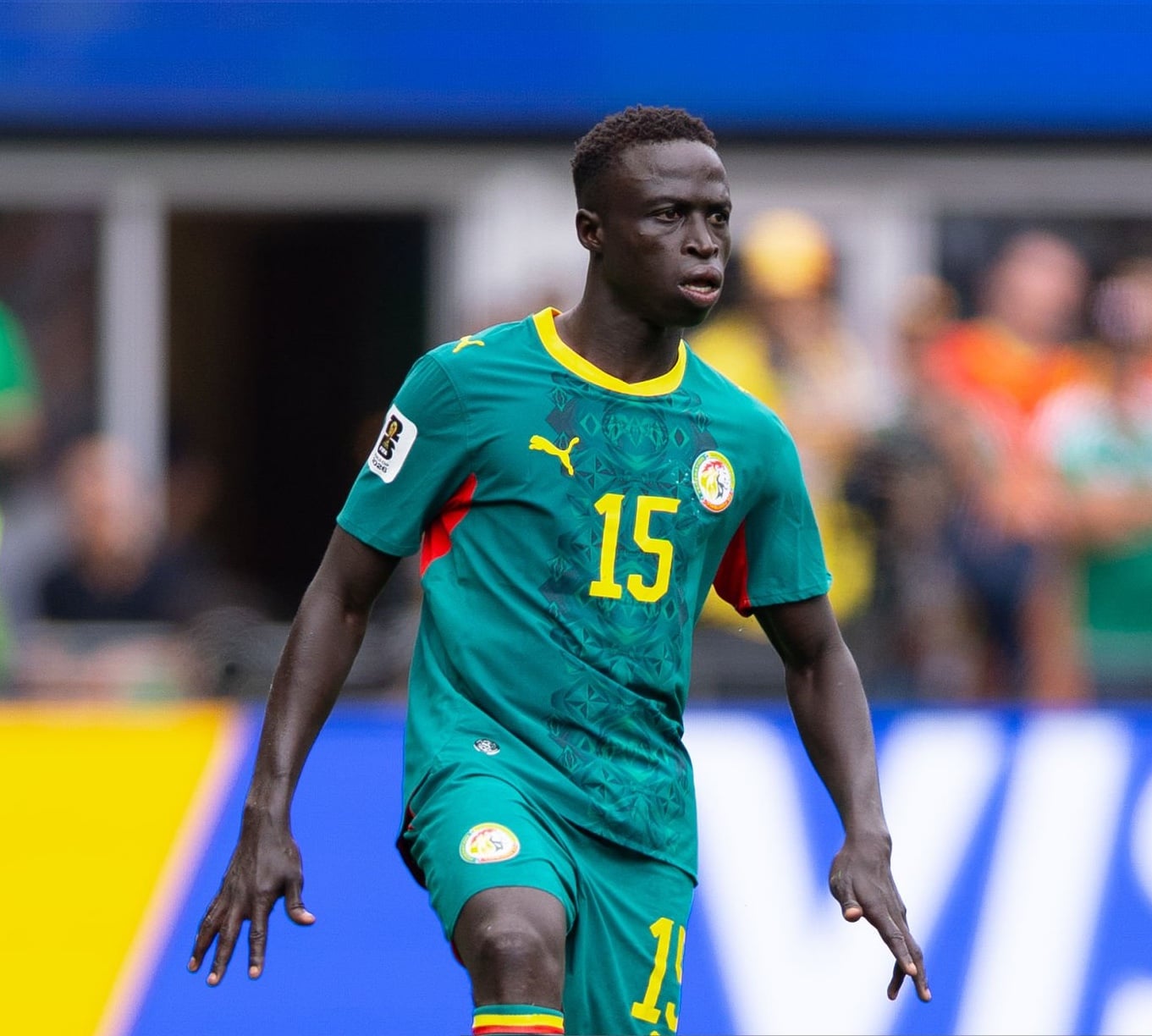
Following Senegal's elimination from the 2026 World Cup qualifiers, player Krépin Diatta shared an enigmatic message on Instagram. Diatta stated that "football is not just played on the field," suggesting that factors beyond the game itself may have contributed to the outcome. He also extended his apologies to the Senegalese people for the team's performance and subsequent exit from the tournament. The exact nature of Diatta's statement remains open to interpretation, but it implies a broader consideration of the elements influencing a team's success or failure. The team's inability to advance in the World Cup qualifiers has led to widespread disappointment among fans. Diatta's message, while vague, acknowledges the emotional impact of the loss on the nation. His words suggest a reflection on the complexities of professional football, extending beyond tactical play and physical performance. The specific context of his statement, whether referring to internal team dynamics, external pressures, or officiating, is not detailed in the provided information. However, his public apology underscores a sense of responsibility towards the supporters.
Krépin Diatta's statement, made after Senegal's World Cup 2026 elimination, highlights a common sentiment in professional sports where intangible factors can influence outcomes. His comment that "football is not just played on the field" can be interpreted through lenses of team cohesion, psychological preparedness, external pressures, or even perceived injustices in officiating or tournament organization. This perspective prompts consideration of how governance structures within football federations and the psychological support systems for athletes might be optimized. In the evolving landscape of elite sports, where mental fortitude and strategic external management are increasingly critical, such reflections underscore the need for holistic athlete development. The tension between on-field performance and off-field influences presents a recurring challenge for teams aiming for sustained international success, suggesting that future strategies must integrate comprehensive support beyond traditional training.
AI-generated to prompt reflection — not editorial opinion, not advice, not a statement of fact. How this works.