Senegal's National Assembly Adopts Constitutional Reform, More Changes Expected
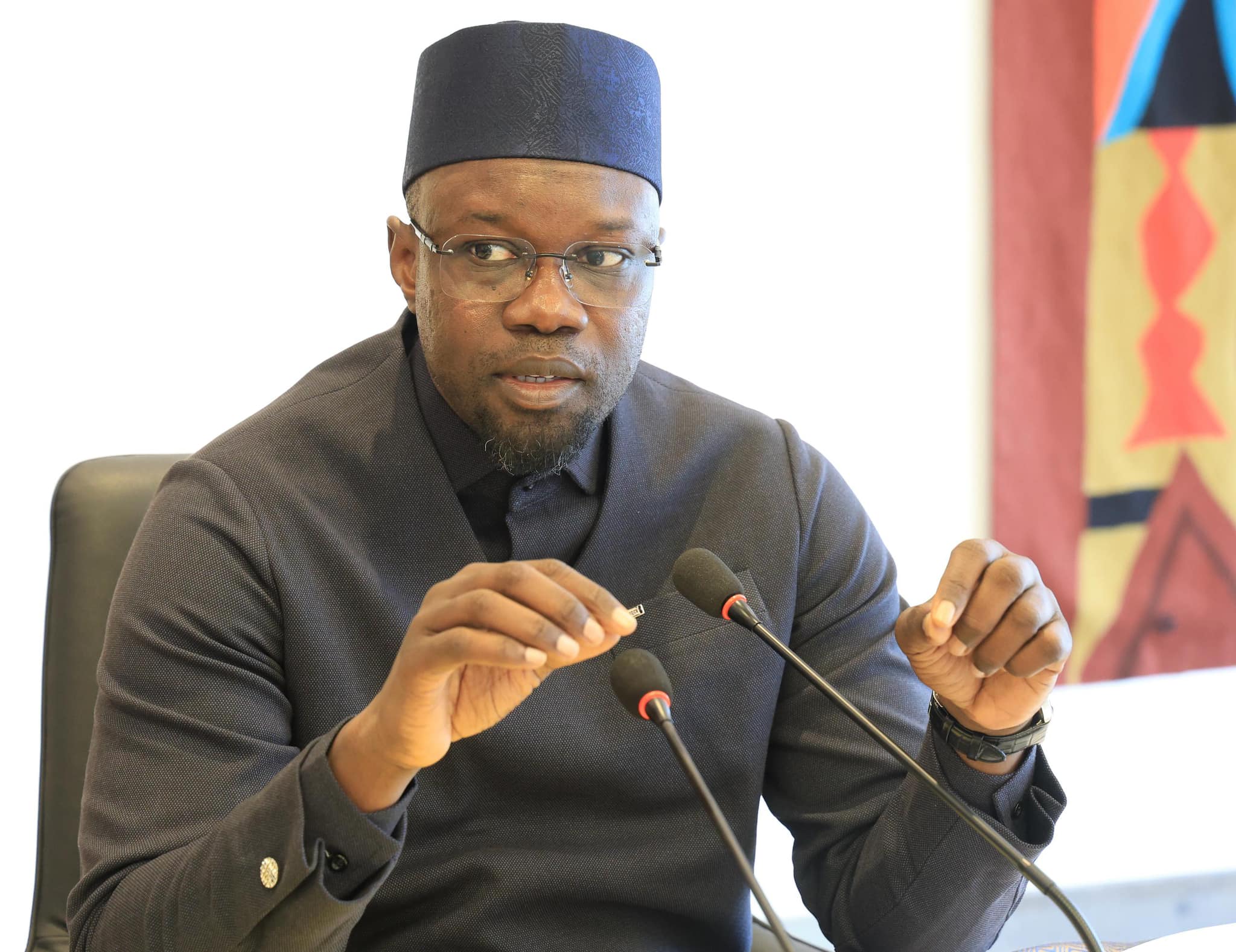
Senegalese Prime Minister Ousmane Sonko announced that the recent adoption of a constitutional reform by the National Assembly is merely the first step in a broader agenda. He indicated that further measures are planned to cleanse public life and enhance transparency in the country. These upcoming reforms are expected to build upon the proposals put forth by a dialogue committee. The Prime Minister's statement suggests a commitment to systemic changes aimed at improving governance and accountability within Senegal. The initial constitutional revision is seen as a foundational element for these subsequent initiatives. The government appears poised to implement a series of policies designed to foster a more open and trustworthy public sector. This signals a significant period of legislative and administrative adjustments for Senegal.
The adoption of constitutional reforms in Senegal, as announced by Prime Minister Ousmane Sonko, signals a government's intent to reshape public institutions. The emphasis on 'cleansing public life' and 'enhancing transparency' suggests a strategic focus on addressing perceived governance deficits. Future reforms will likely be scrutinized for their effectiveness in achieving these stated goals, particularly concerning the balance between executive power and institutional checks. The long-term impact will depend on the implementation details and the government's capacity to foster genuine accountability, rather than merely enacting procedural changes. This period represents a critical juncture for Senegal's democratic evolution, with potential implications for investor confidence and public trust in state institutions.
AI-generated to prompt reflection — not editorial opinion, not advice, not a statement of fact. How this works.