Senegal's PASTEF Party Faces Internal Opposition, Risks Institutional Paralysis
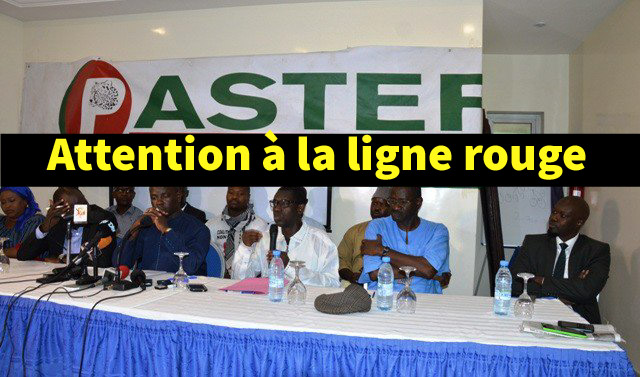
Following the dismissal of Ousmane Sonko from his Prime Minister position, the PASTEF party has withdrawn from the executive branch. The party is now actively opposing President Bassirou Diomaye Faye, positioning itself as the primary adversary to the current administration. This stance creates a unique internal opposition dynamic within the ruling political landscape. The withdrawal and subsequent opposition raise concerns about potential institutional gridlock. Senegal's political future may be significantly impacted by this internal party conflict. The situation highlights the challenges of maintaining governmental stability when a major political force becomes its own primary opponent.
The internal opposition of PASTEF to the current administration, despite being part of the governing coalition's formation, presents a complex governance challenge. This dynamic, where a key political actor becomes its own primary adversary, can strain institutional capacity and lead to policy paralysis. Such situations often arise from shifts in political strategy or internal power struggles, potentially hindering effective governance and long-term planning. Navigating this requires careful management of political incentives and clear communication channels to prevent systemic dysfunction. The future trajectory will likely depend on how these internal contradictions are resolved, impacting Senegal's ability to address national priorities in the coming years.
AI-generated to prompt reflection — not editorial opinion, not advice, not a statement of fact. How this works.