Senegal's Path to the 2026 World Cup Knockout Stage: Analyzing Qualification Scenarios
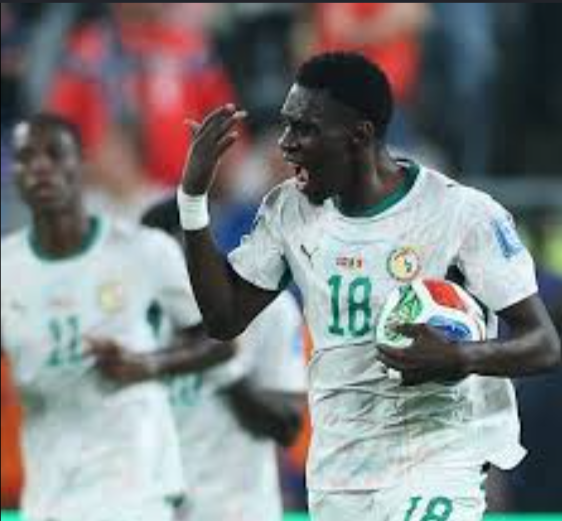
Despite losses to France and Norway in their first two matches of the 2026 World Cup, the Senegalese national football team, known as the Lions, still has a viable chance to advance to the round of 16. Their qualification hinges on the tournament's system that allows the eight best third-placed teams to progress. Senegal's potential path to the next stage involves results from matches involving Germany, Ivory Coast, Spain, Argentina, and other participating nations. The team's performance and the outcomes of other group games will be crucial in determining their final standing. This scenario highlights the complex calculations and interdependencies that often define group stage dynamics in major international tournaments. The Lions will be closely monitoring results across various groups as they aim to secure one of the coveted spots in the knockout phase. Their continued presence in the competition depends on a combination of their own future performance and favorable results elsewhere.
The Senegalese team's continued qualification prospects, despite early setbacks, illustrate the strategic importance of understanding tournament mechanics, particularly the 'best third-placed teams' rule. This system introduces a layer of complexity beyond direct head-to-head results, emphasizing goal difference and overall group performance. Navigating such scenarios requires not only on-field execution but also a keen awareness of other matches' outcomes, a dynamic that can foster both anxiety and strategic anticipation among fans and teams alike. Looking ahead, such qualification pathways underscore the evolving nature of global sports competitions, where data analytics and scenario planning are becoming as critical as traditional athletic prowess in achieving success.
AI-generated to prompt reflection — not editorial opinion, not advice, not a statement of fact. How this works.