Senegal's Political Landscape: A Date Marked for Loyalty to President Diomaye Faye
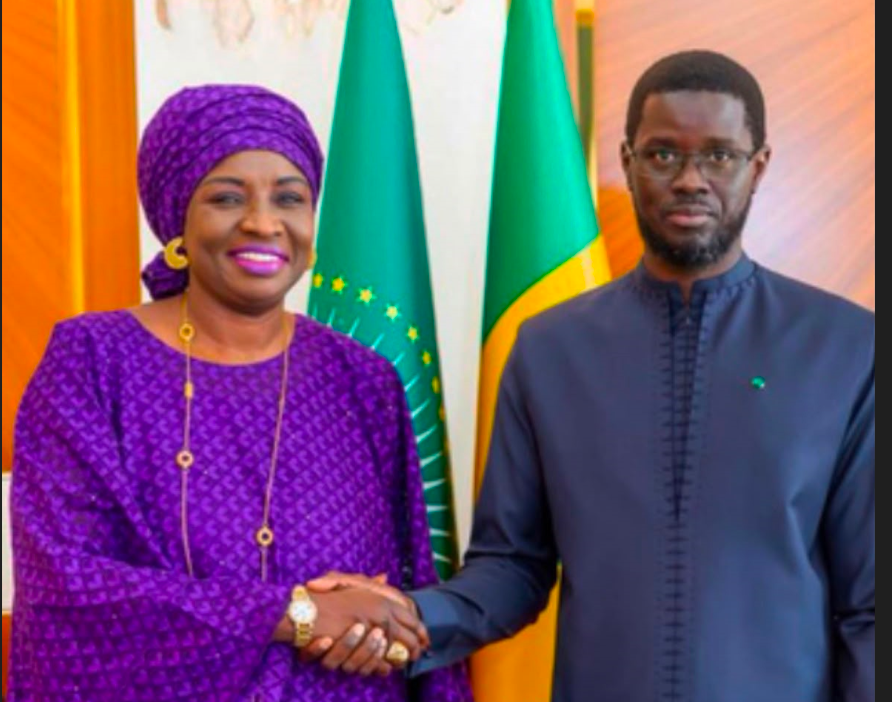
July 25, 2026, is poised to be a significant date in Senegal, not merely for the establishment of a political party, but as a symbol of unwavering loyalty to President Bassirou Diomaye Faye. This date is intended to represent the triumph of a distinct political ideology centered on allegiance to the President, his mandate, and his transformative agenda for Senegal. The announcement suggests a deliberate effort to consolidate support and political capital around President Faye's leadership, contrasting this approach with perceived internal divisions and rivalries within the political sphere. The focus on 'fidelity' implies a strategy to galvanize a core base of supporters who are committed to the President's vision and policies. This positioning aims to solidify President Faye's authority and project a unified front as he pursues his objectives for the nation.
The framing of July 25, 2026, as a date celebrating 'fidelity' to President Bassirou Diomaye Faye suggests a political strategy focused on consolidating power and loyalty. This approach, emphasizing allegiance to a specific leader and their mandate, can foster strong internal party discipline and a dedicated supporter base. However, it also carries potential risks, such as limiting internal dissent and diverse policy input, which could hinder adaptive governance in the long term. In the evolving landscape of the AI era, governance models that encourage broad participation and robust debate are often more resilient and innovative. The long-term success of such a strategy will depend on balancing the imperative for loyalty with the need for inclusive policy-making and responsiveness to the broader electorate's evolving needs.
AI-generated to prompt reflection — not editorial opinion, not advice, not a statement of fact. How this works.